Your Sunday Best for a Tuesday Movie: When Americans Believed Every Occasion Deserved Effort
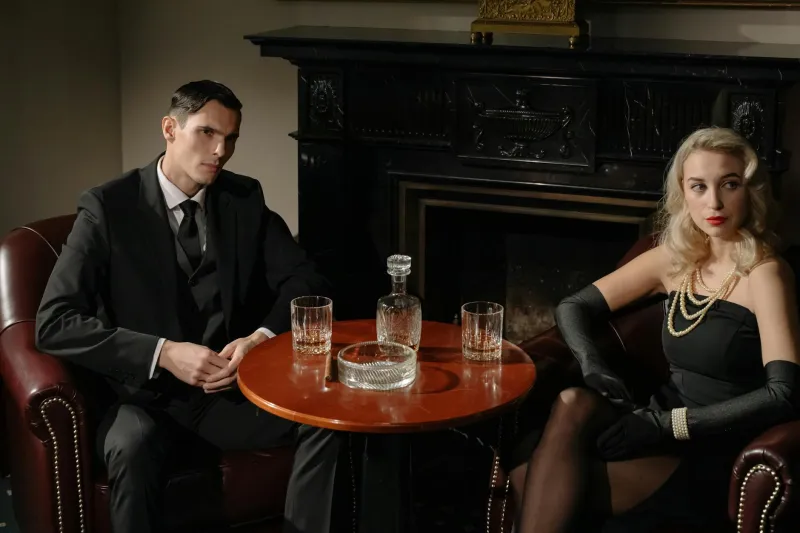
The Airplane Passenger in a Three-Piece Suit
In 1965, stepping onto a commercial airliner meant entering a world of unspoken elegance. Men wore suits and ties, women donned their finest dresses and heels, and children appeared in their church clothes. Flying was special enough to warrant your best effort, and everyone understood this without being told.
The airlines reinforced this culture. Flight attendants wore tailored uniforms that looked like high fashion. Cabins featured real silverware, cloth napkins, and multi-course meals served on actual plates. The entire experience communicated that air travel was a privilege worth dressing for.
Today, airports resemble pajama parties where flip-flops and yoga pants constitute appropriate attire for crossing continents. The shift represents more than changing fashion—it reflects a fundamental transformation in how Americans think about public behavior and shared standards.
When Entertainment Required Effort
Movie theaters once maintained dress codes as strict as restaurants. Ushers in formal uniforms seated patrons who had dressed for the occasion. Men wore jackets and ties for evening showings. Women appeared in dresses, heels, and coordinated accessories. Even matinee audiences looked like they were attending important social events.
The theaters themselves reinforced these expectations. Elaborate lobbies featured marble floors, crystal chandeliers, and ornate decorations that made moviegoing feel ceremonial. Balcony sections offered premium seating for patrons willing to dress—and pay—accordingly. Concession stands sold sophisticated refreshments rather than just popcorn and candy.
Bowling alleys, of all places, maintained similar standards. League nights featured participants in pressed shirts, dress shoes, and carefully coordinated outfits. Bowling was social recreation that demanded public presentation. The alleys themselves reflected this: polished floors, well-appointed lounges, and staff who dressed like hospitality professionals.
The Restaurant Where Jeans Weren't Welcome
Dining out, even at modest establishments, required appropriate attire well into the 1980s. Family restaurants posted dress codes prohibiting shorts, sandals, and casual clothing. Upscale establishments required jackets for men and dresses for women. Even fast-food restaurants expected customers to appear presentable.
This wasn't economic discrimination—it was cultural consensus about public behavior. Restaurants were community gathering places that deserved respect through proper presentation. Families dressed up for dinner out because the occasion was special, regardless of the venue's price point.
The standards extended beyond clothing to behavior. Diners spoke quietly, children remained seated, and meals proceeded at leisurely paces that allowed for conversation. Restaurants functioned as social institutions where community members demonstrated mutual respect through shared standards.
The Infrastructure of Formality
America built entire industries around the expectation that citizens would dress appropriately for public activities. Department stores devoted significant floor space to "occasion wear"—clothing designed specifically for dining, travel, entertainment, and social gatherings.
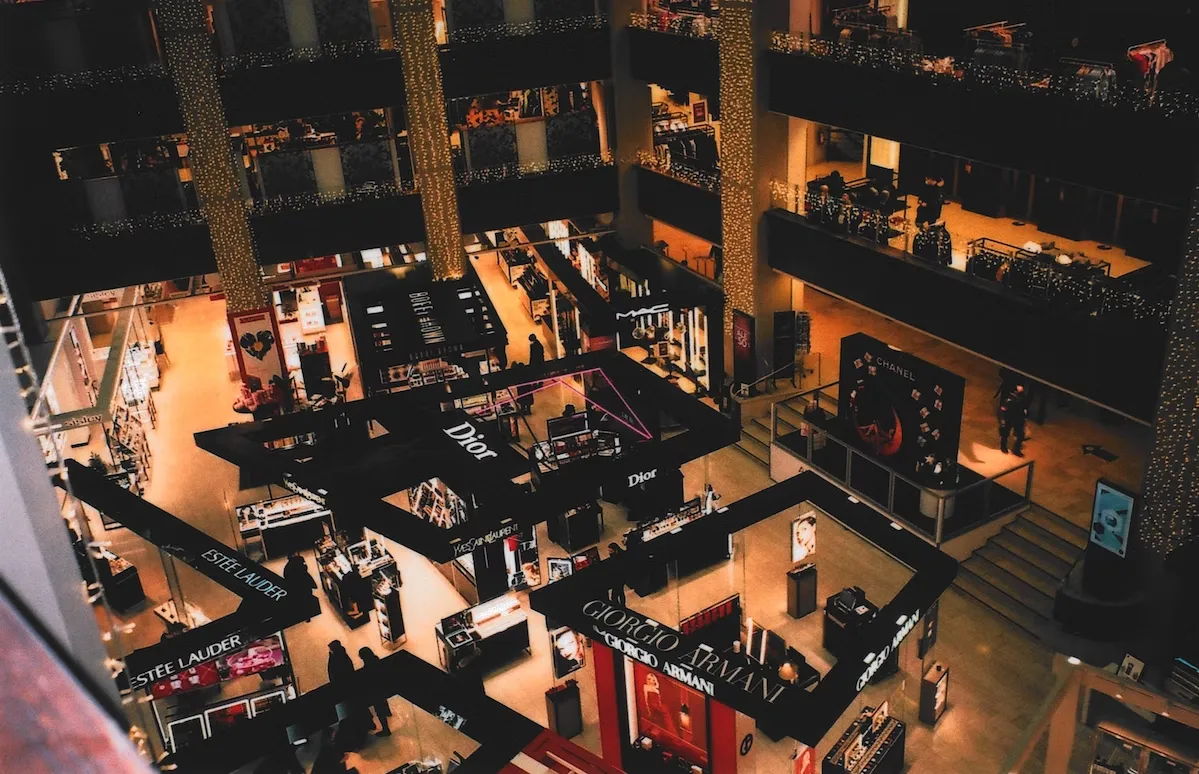 Photo: Department stores, via www.resonai.com
Men's clothing stores stocked multiple levels of formality: work clothes, casual wear, business attire, and formal options. Even working-class men typically owned several jackets and multiple dress shirts for different occasions. Tie selection was considered an important aspect of personal presentation.
Women's fashion offered elaborate hierarchies of appropriateness. Different events required different hemlines, sleeve lengths, and accessories. Fashion magazines provided detailed guidance on appropriate attire for every conceivable social situation.
Dry cleaning businesses thrived because maintaining proper appearance required professional garment care. Shoe repair shops stayed busy keeping dress shoes in perfect condition. Hat shops, jewelry stores, and accessory boutiques all benefited from a culture that valued careful presentation.
The Unspoken Rules Everyone Knew
These dress codes weren't written down—they were cultural knowledge passed from parents to children and reinforced through social observation. Everyone understood that certain activities demanded effort, and appearing underdressed was considered disrespectful to both the occasion and other participants.
The standards varied by region, social class, and specific circumstances, but the underlying principle remained consistent: public activities deserved public-appropriate presentation. This wasn't about wealth or status—it was about demonstrating that you considered the occasion worth your effort.
Violating these expectations carried real social consequences. Restaurants could refuse service to inappropriately dressed customers. Airlines might deny boarding to passengers whose appearance was deemed unsuitable. Social groups could exclude members who consistently failed to meet presentation standards.
The Comfort Revolution
The collapse of public dress standards accelerated through the 1980s and 1990s, driven by several cultural shifts. The rise of casual Friday in corporate settings normalized relaxed attire in previously formal environments. Athletic wear became acceptable street clothing as fitness culture expanded. Technology workers, particularly in Silicon Valley, actively rejected traditional business attire as outdated and constraining.
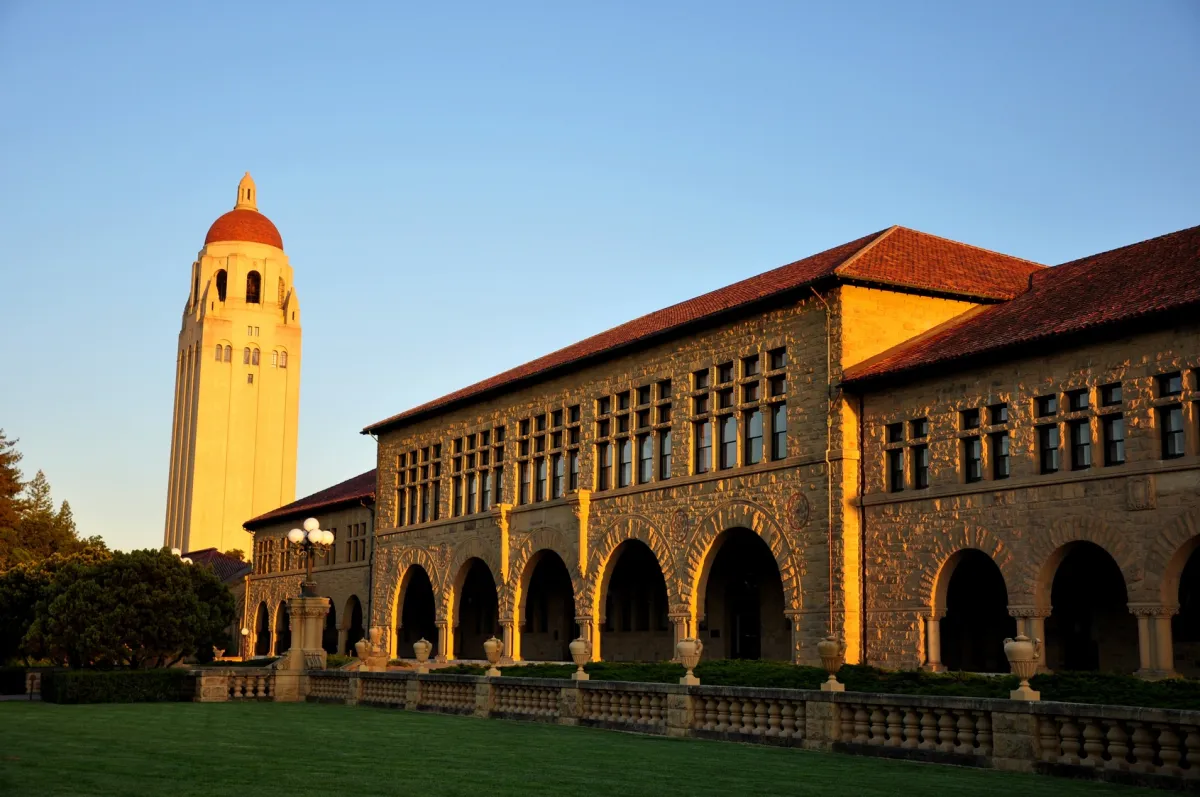 Photo: Silicon Valley, via www.usaviptours.com
The democratization of air travel made flying routine rather than special, leading airlines to abandon elegance in favor of efficiency. Movie theaters faced competition from home entertainment systems, encouraging them to prioritize customer comfort over atmosphere. Restaurants discovered that relaxed dress codes could attract larger, more diverse customer bases.
Retailers responded by expanding casual clothing lines and reducing formal wear selections. The infrastructure that had supported formal presentation began disappearing as demand declined. Dress codes became associated with exclusivity and discrimination rather than mutual respect and shared standards.
What We Gained and Lost
The shift toward casual attire brought undeniable benefits. Comfort clothing allows greater physical freedom and reduces the economic burden of maintaining extensive wardrobes. Relaxed dress codes can feel more inclusive and less intimidating to people unfamiliar with formal presentation standards.
But something was lost in the transition. The effort required to dress appropriately for occasions created investment in those experiences. When people dressed up for movies, dinners, or flights, they approached those activities with greater attention and respect. The ritual of preparation enhanced the specialness of the occasion.
Shared dress standards also created social cohesion. When everyone understood and followed similar presentation rules, public spaces felt more orderly and predictable. People could signal their respect for occasions and other participants through their appearance choices.
The Deeper Cultural Shift
The death of public dress standards reflects a broader transformation in American values. We've moved from a culture that emphasized collective standards and mutual respect toward one that prioritizes individual comfort and personal expression. This shift has implications far beyond clothing choices.
When Americans stopped dressing up for public activities, they also stopped treating those activities as special. Air travel became an ordeal to endure rather than an adventure to savor. Dining out lost much of its ceremonial quality. Entertainment venues became purely functional rather than atmospheric.
The change represents a fundamental rebalancing between individual convenience and social cooperation. We've gained personal freedom and physical comfort, but we've lost some of the shared rituals that once made ordinary activities feel meaningful and connected us to our communities through common standards of respect and effort.
Perhaps the question isn't whether this change was good or bad, but whether we fully understood what we were trading away when we decided that nothing was worth dressing up for anymore.