Letters From Strangers Became Lifelong Friends: How America Lost the Art of Distant Connection
The Magazine Ad That Changed Everything
In 1952, a 16-year-old girl from Kansas City opened the back pages of Seventeen magazine and spotted a small classified ad: "Pen pals wanted worldwide! Share interests, dreams, and friendship through letters." For just fifty cents, she could receive the name and address of someone her age from anywhere in the world.
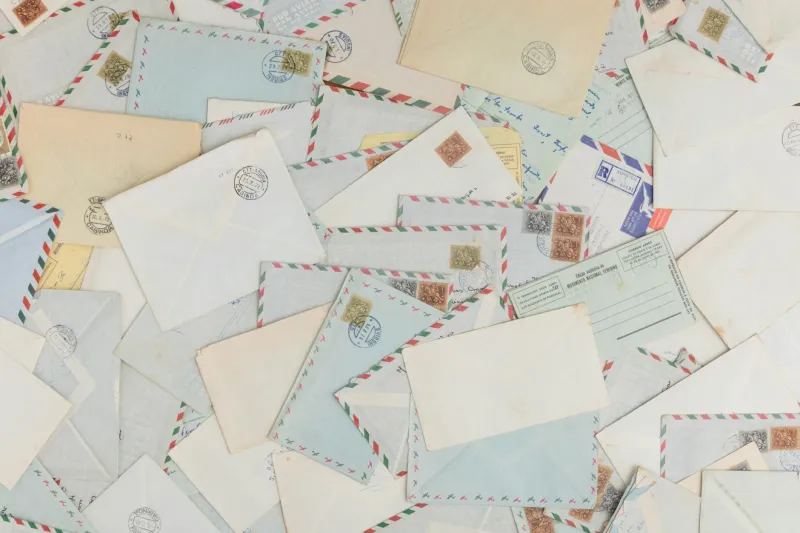
 Photo: Kansas City, via wallpapers.com
Six months later, she was writing her fifteenth letter to Marie from Lyon, France—a friendship that would span forty-three years, two marriages, three children, and countless handwritten pages sharing the intimate details of their completely different lives.
This wasn't unusual. It was how America connected with the world.
When Patience Built Real Relationships
Between the 1930s and 1980s, millions of Americans maintained pen pal relationships that would seem impossible by today's standards. These friendships required extraordinary patience—letters took weeks to cross oceans, and responses could arrive months apart. Yet somehow, this slow pace created deeper connections than our current instant messaging ever manages.
Pen pal magazines like Pen Pal Digest and International Pen Friends connected Americans with correspondents in dozens of countries. Schools organized exchange programs pairing American students with peers in Europe, Asia, and South America. Even prisoners, soldiers, and shut-ins found connection through carefully curated letter-writing networks.
The ritual was sacred: choosing special stationery, crafting thoughts by hand, walking to the mailbox with hope, then waiting weeks for the thrill of seeing foreign postmarks in your mail slot.
The Infrastructure of Distant Friendship
America built an entire ecosystem around pen pal culture. Post offices sold international postage stamps in colorful designs that made letters feel like small gifts. Stationery stores devoted entire aisles to writing papers, from elegant linen sheets to whimsical designs for younger writers.
Families subscribed to multiple magazines just for their pen pal sections. Popular Mechanics connected hobbyists across continents. Modern Romance helped lonely hearts find friendship and sometimes love through letters. Church bulletins paired congregants with missionaries and fellow believers worldwide.
The U.S. Postal Service actively promoted international correspondence, publishing guides on proper international addressing and offering special rates for educational exchanges. Schools taught letter-writing as a core curriculum skill, complete with lessons on appropriate salutations, paragraph structure, and closing formalities.
What We Actually Talked About
Pen pal letters revealed an America genuinely curious about the wider world. Correspondents shared detailed descriptions of daily life: what they ate for breakfast, how their schools operated, what music played on their radios, how their families celebrated holidays.
These weren't the curated highlights of modern social media. They were honest, unfiltered glimpses into real lives. A teenager from Ohio might spend three pages describing a typical Saturday in her small town to a pen pal in Tokyo, who would reciprocate with equally detailed accounts of Japanese school life.
The letters served as informal cultural ambassadors. Americans learned about foreign foods, customs, and perspectives through personal stories rather than news reports. International pen pals often knew more about specific American towns than many Americans knew about their neighboring states.
The Digital Collapse
By the 1990s, pen pal culture was dying. Email made instant communication possible, but somehow less meaningful. The effort required to write, address, and mail a letter had created investment in the relationship. When communication became effortless, it also became disposable.
Social media promised to connect the world, but delivered something entirely different. Instead of deep, sustained relationships with a few distant friends, we got shallow interactions with hundreds of "connections." We traded quality for quantity, patience for immediacy, and genuine curiosity for performative sharing.
Today's international "friendships" often consist of liking photos and sharing memes with people whose real lives remain mysteries. The slow, deliberate process of getting to know someone through careful correspondence has been replaced by instant judgments based on profile pictures and status updates.
What We Lost in Translation
The death of pen pal culture represents more than just a change in communication technology. It marks the end of an era when Americans routinely invested months or years in relationships that offered no immediate gratification.
Pen pals taught patience, curiosity, and the value of sustained effort. They provided windows into different cultures that were personal rather than political, intimate rather than institutional. They proved that meaningful connections could form across vast distances and cultural differences, sustained by nothing more than mutual respect and regular correspondence.
Most importantly, pen pal relationships were built on the radical idea that strangers were worth knowing—that someone's life, however different from your own, contained stories worth hearing and perspectives worth considering.
The Loneliness of Instant Connection
Today, we're more "connected" than ever, yet loneliness rates have skyrocketed. We can message anyone, anywhere, anytime—but we've lost the art of sustained, meaningful correspondence. Our digital relationships often feel hollow because they lack the investment and intentionality that made pen pal friendships so rewarding.
Social media promises instant global connection, but delivers mostly echo chambers and surface-level interactions. We know what hundreds of people had for lunch, but we don't really know them. We've traded the deep satisfaction of a thoughtful letter from a distant friend for the shallow dopamine hit of likes and comments from people we barely understand.
The pen pal era proved that distance didn't have to mean disconnection, and that the most meaningful relationships often required the most effort. In our rush to make everything instant and easy, we might have accidentally made human connection harder than it's ever been.