Six O'Clock Sharp and Everyone Was There: How America Lost Its Most Sacred Daily Tradition
Six O'Clock Sharp and Everyone Was There: How America Lost Its Most Sacred Daily Tradition
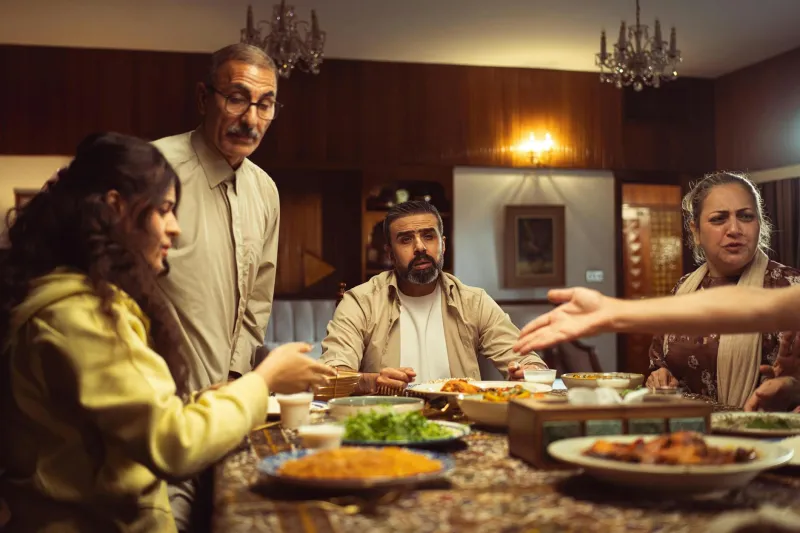
Every evening at exactly 6:00 PM, something magical happened in American homes across the country. Not at 6:15, not "sometime around dinner," and definitely not "whenever everyone gets home." At six o'clock sharp, families gathered around the dinner table for what was considered the most important appointment of the day—one that took precedence over homework, phone calls, television shows, and just about everything else.
This wasn't just a meal. It was a daily ceremony that shaped how families communicated, how children learned social skills, and how communities stayed connected. And somehow, almost without anyone noticing, it completely disappeared.
When Dinner Time Was Sacred Time
In the 1950s and 1960s, the American dinner table operated like clockwork. Dad came home from work by 5:30, Mom had dinner ready by 6:00, and the kids knew better than to be anywhere else when the call came. This wasn't a suggestion or a family goal—it was simply how life worked.
The ritual was remarkably consistent across economic and social lines. Whether you lived in a suburban ranch house or a city apartment, whether Dad worked at the steel mill or the bank, dinner happened at the same time, in the same way, every single night. The table was set with actual plates and glasses, not paper or plastic. Everyone sat down together, said grace or shared a moment of gratitude, and spent the next 45 minutes talking about their day.
No television. No radio. No distractions of any kind. Just conversation, food, and the simple act of being together as a family unit.
The Architecture of Connection
What made this tradition so powerful wasn't just the food—it was the structure it provided for human connection. Children learned how to tell stories, ask questions, and navigate disagreements in a safe, supervised environment. Parents stayed connected to their kids' daily lives in a way that felt natural rather than intrusive. Extended family news, neighborhood gossip, and community events were all processed and discussed around the dinner table.
The conversation patterns were predictable but meaningful: "How was school today?" "What did you learn?" "Tell us about your spelling test." "Did you see Mrs. Johnson's new car?" These weren't groundbreaking discussions, but they created a daily rhythm of sharing that kept families emotionally synchronized.
Even the logistics reinforced family bonds. Someone had to plan the meal, someone had to cook it, someone had to set the table, and everyone had to clean up afterward. These weren't chores—they were shared responsibilities that taught children how households function and gave everyone a stake in the family's daily operations.
The Slow Erosion Begins
The decline didn't happen overnight. It started subtly in the 1970s as work schedules became more varied and women entered the workforce in larger numbers. Dad might work late on Tuesdays, Mom might have an evening class on Thursdays, and the kids had soccer practice, piano lessons, and school activities that ran past 6:00 PM.
At first, families adapted by shifting dinner time or having quick meals on busy nights. But gradually, the idea that everyone needed to be present for every dinner began to feel outdated and impractical. "We'll eat together when we can," became the new normal, which often meant "We'll eat together when it's convenient for everyone," which turned out to be almost never.
The introduction of the microwave in the late 1970s accelerated this trend by making it easy for family members to eat different foods at different times. Why wait for everyone to gather when you could heat up last night's leftovers in three minutes and eat while watching TV?
The Fast Food Revolution
By the 1980s, the American food landscape had completely transformed. Fast food restaurants went from occasional treats to regular dinner solutions. Drive-through windows meant families could grab different meals for different people without ever getting out of the car. Pizza delivery eliminated even that small effort.
The economic argument was compelling: why spend two hours shopping, cooking, and cleaning when you could pick up dinner in fifteen minutes? Why force everyone to eat the same thing when McDonald's could satisfy the kids and Chinese takeout could please the adults?
But something important was lost in this trade-off. The shared meal—with its predictable timing, common food, and mandatory conversation—had served as a daily reset button for family relationships. Without it, families began to drift into separate orbits, connected by shared living space but increasingly disconnected from each other's daily experiences.
Today's Scattered Eating Patterns
Walk into an American home today around 6:00 PM and you're more likely to find family members eating different foods in different rooms at different times than gathered around a table together. Dad might be eating a sandwich while checking emails, Mom could be having a salad while helping with homework, and the kids are probably eating chicken nuggets while watching YouTube videos on their tablets.
The statistics tell the story: only about 30% of American families eat dinner together most nights of the week, compared to nearly 90% in the 1960s. When families do eat together, the average meal lasts just 12 minutes—barely enough time to pass the salt, much less have a meaningful conversation.
Even when families make the effort to eat together, the experience is fundamentally different. Phones sit on the table, TVs play in the background, and conversations are frequently interrupted by texts, calls, and notifications. The sacred space that once existed around the dinner table has been invaded by the outside world.
What We Gained and What We Lost
The decline of family dinner wasn't entirely negative. Families gained flexibility, convenience, and the ability to accommodate increasingly complex schedules. Parents could pursue careers without worrying about having dinner on the table at exactly 6:00 PM. Children could participate in activities that enriched their lives and expanded their horizons.
We also gained access to a much wider variety of foods and cuisines. The family dinner of the 1950s was often limited to what Mom knew how to cook and what the local grocery store carried. Today's families can explore flavors from around the world and accommodate different dietary preferences and restrictions.
But the losses were significant. We lost a daily opportunity for families to connect without distractions. We lost a natural venue for teaching children social skills, table manners, and conversation techniques. We lost a regular forum for discussing family decisions, sharing daily experiences, and maintaining emotional intimacy.
Perhaps most importantly, we lost the sense that family time was non-negotiable—that some things were more important than individual convenience or external obligations.
The Vault That Locked Away Connection
The transformation of the American dinner table from a sacred daily ritual to an occasional convenience represents one of the most profound changes in how families function. We've traded the predictable rhythm of shared meals for the flexibility of individual schedules, and in doing so, we've fundamentally altered how families stay connected.
The old system wasn't perfect—it relied heavily on traditional gender roles and could feel restrictive for families with diverse needs and interests. But it provided something that our current approach lacks: a guaranteed daily opportunity for families to be present with each other, without distractions, sharing both food and conversation.
In our quest for efficiency and convenience, we may have optimized away one of the most important elements of family life. The vault of change has locked away not just a mealtime tradition, but a daily practice that once held American families together at their very core.