The Public Pool Was the Heart of Summer—And It Didn't Cost a Dime: How America Abandoned Shared Spaces
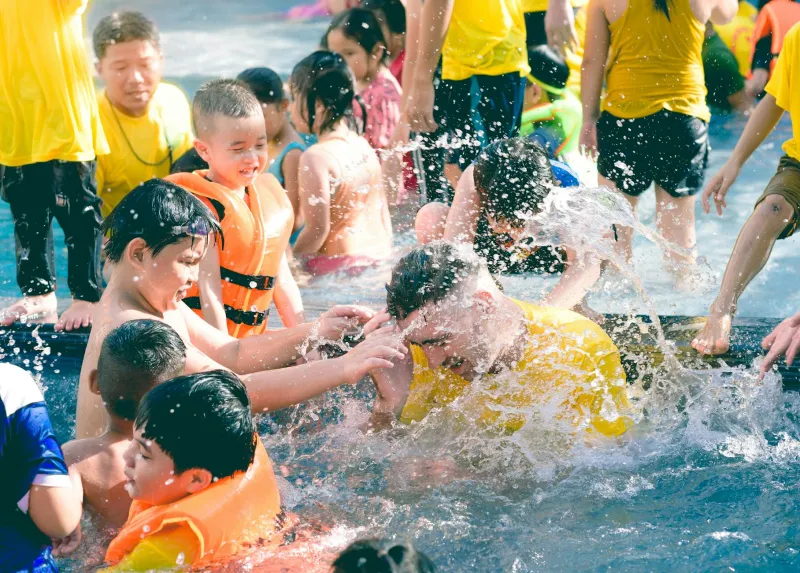
Every summer morning in 1965, kids across America would grab their towels and race to the neighborhood pool. No membership fees, no family passes, no complicated registration systems. Just show up, dive in, and spend the day. The lifeguards knew your name, your friends lived within walking distance, and the whole community gathered around a shared space that belonged to everyone.
Today, those same pools—if they still exist—charge annual family fees that rival gym memberships, while many communities have abandoned public recreation altogether in favor of private alternatives that divide rather than unite.
When Public Meant Free (And Actually Public)
Mid-century America built public pools like they built schools: as essential infrastructure for healthy communities. Cities from Portland to Atlanta constructed elaborate aquatic centers with multiple pools, diving boards, and sprawling deck areas. These weren't bare-bones facilities—they were sources of civic pride, designed by prominent architects and funded by communities that believed shared recreation was worth the investment.
The Works Progress Administration alone built over 750 public pools during the 1930s. By the 1960s, virtually every American city had multiple public pools, most charging nothing more than a small daily fee—often just 25 cents for kids, 50 cents for adults. A summer pass might cost $5 for the entire family.
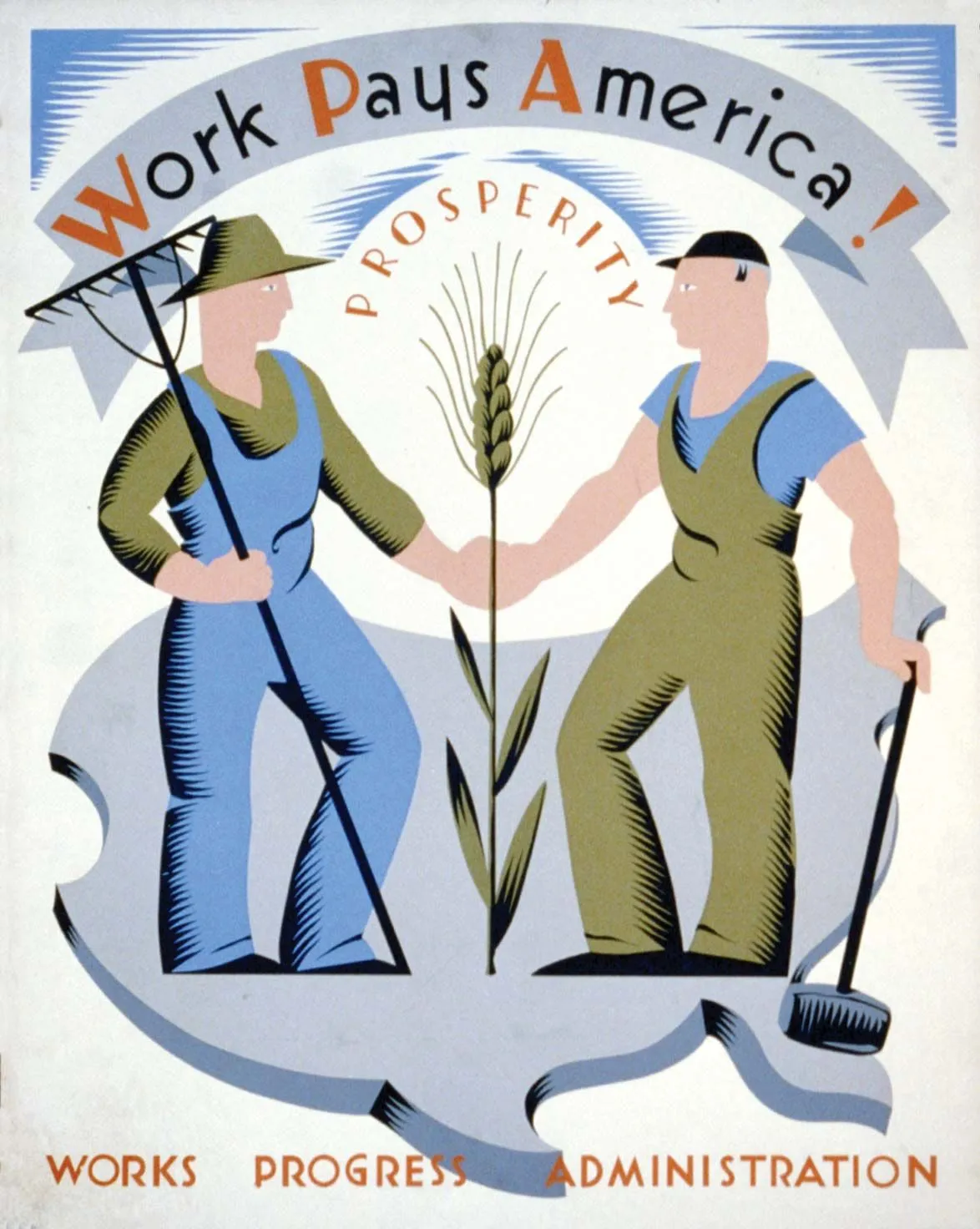 Photo: Works Progress Administration, via cdn.britannica.com
Band concerts in the park were equally common and equally free. Every town square had its bandstand, and summer evenings meant gathering with neighbors to hear local musicians perform. These weren't amateur hour performances either—many communities employed professional musicians and maintained regular concert series that drew hundreds of residents weekly.
The Social Architecture of Community
These public spaces created something we've largely lost: natural mixing across economic and social lines. The banker's kids swam alongside the factory worker's children. Teenagers from different high schools met at the pool. Elderly residents claimed their favorite benches at band concerts while young families spread blankets nearby.
This wasn't accidental—it was the intended result of public investment in shared spaces. Communities understood that democracy required places where citizens encountered each other as equals, where social bonds formed naturally rather than through formal organizations or exclusive memberships.
The public pool became summer's great equalizer. Rich or poor, every kid could spend their days diving, swimming, and making friends. Parents knew their children were safe, supervised, and engaged in healthy activity—all without paying a cent beyond their tax contributions.
When America Stopped Believing in Shared Investment
The decline began in the 1970s and accelerated through the 1980s as anti-tax sentiment grew. Communities started viewing public recreation as a luxury rather than a necessity. Pool maintenance was expensive, insurance costs were rising, and taxpayers increasingly questioned why they should fund facilities their families might not use.
The result was a gradual retreat from public investment. Pool hours were reduced, then seasonal operations were shortened, then entire facilities were closed. Band concerts became sporadic, then disappeared entirely. Parks departments saw their budgets slashed, and what had once been free became fee-based.
Today, many former public pools charge $150-300 annually for family access—if they're still operating at all. Others have been converted to private clubs or demolished entirely. The free summer that defined American childhood for generations has been replaced by expensive day camps, private swim lessons, and country club memberships.
The Rise of Private Alternatives
As public options disappeared, private alternatives emerged to fill the void—but only for those who could afford them. Suburban developments began including private pools and recreation centers available exclusively to residents. Fitness chains built elaborate facilities with pools, courts, and programs that surpassed what public spaces had ever offered.
These private spaces often provide superior amenities and services. The pools are cleaner, the equipment newer, the programs more comprehensive. But they've also fundamentally altered how Americans experience recreation and community. Instead of shared spaces that bring diverse groups together, we've created segregated facilities that separate us by income level and zip code.
The country club model has trickled down to everyday recreation. Even public facilities now operate more like businesses, with membership models, user fees, and exclusive programs for those willing to pay premium prices.
What We Lost When We Stopped Sharing
The disappearance of truly public recreation has had consequences beyond just higher costs. Children today often experience summer through highly structured, expensive programs rather than the free-form social mixing that public pools provided. They're less likely to form friendships across economic lines or develop the independence that came from spending unsupervised hours in safe, community-centered spaces.
Parents, meanwhile, face a constant financial squeeze to provide their children with recreational opportunities that were once considered basic public services. The family budget must now accommodate swim lessons, summer camps, and activity fees that previous generations received as part of their community membership.
Perhaps most significantly, we've lost spaces where Americans encounter each other as fellow citizens rather than customers or members. The public pool was democracy in action—a place where everyone belonged simply by virtue of living in the community.
The Cost of Going Private
Today's parents often spend more on a single summer camp session than their parents paid for an entire childhood of public recreation. A week at day camp can cost $300-500, while a full summer program might run $2,000-3,000. Swimming lessons at private facilities cost $80-120 per month. Family gym memberships with pool access run $100-200 monthly.
These costs have made childhood recreation a luxury purchase rather than a community right. Families must now budget for activities that were once as freely available as public schools or libraries.
The Fenced-Off American Dream
Drive through any modern suburb and you'll see the new model: private pools behind privacy fences, gated community centers, and exclusive recreational facilities. These spaces often provide excellent amenities, but they've replaced the shared experience of public recreation with isolated, segregated alternatives.
We've traded the democratic ideal of public space for the consumer model of private membership. In doing so, we've lost something essential about American community life—the idea that some experiences should be available to all citizens simply because we're all citizens.
The public pool wasn't just about swimming; it was about belonging to something larger than our individual families. When we abandoned that model, we didn't just lose access to recreation—we lost a piece of what it meant to be American.