The Auto Shop Owner Who Coached Third Base: When Youth Sports Belonged to the Neighborhood
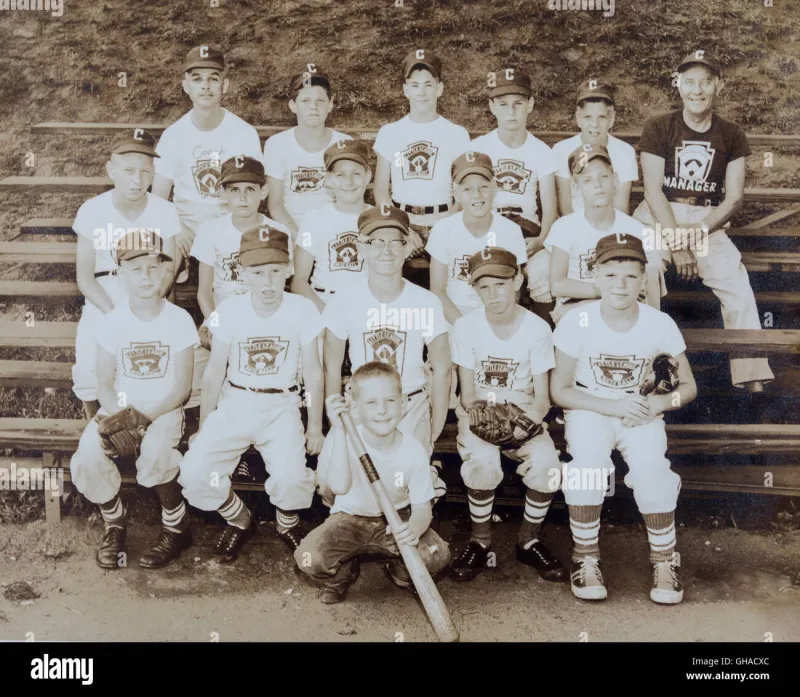
Photo: vintage Little League baseball team 1960s small town America, via c8.alamy.com
The uniform was a little too big. The cap didn't quite fit right. But the name on the back — Kowalski's Brake & Tire — was the same name on the shop two blocks over, and the guy yelling encouragement from the dugout was the same guy who'd changed your dad's oil last spring. That was Little League in 1967. That was youth sports in America when youth sports was still a neighborhood thing.
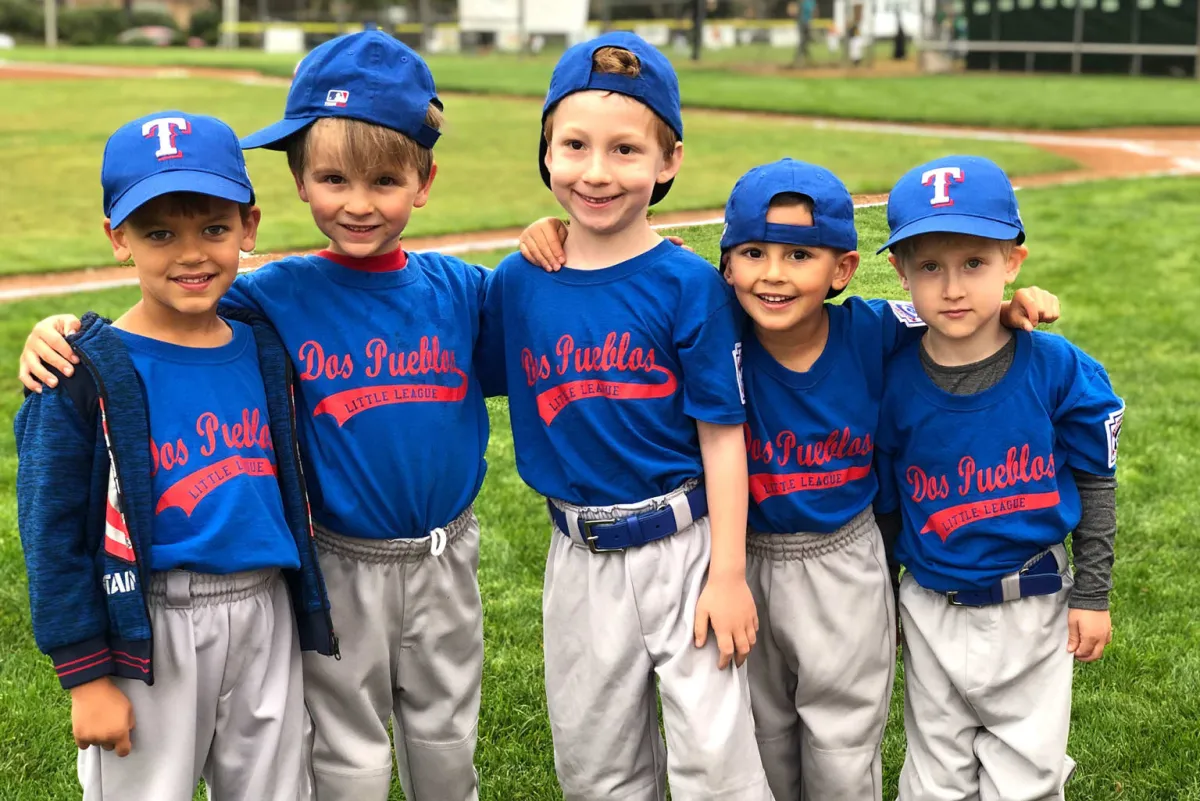 Photo: Little League, via res.cloudinary.com
Somewhere between then and now, it became something else entirely.
The Sandlot Model Wasn't Accidental
For most of the 20th century, youth and amateur sports in America operated on a beautifully simple principle: kids who wanted to play, played. The barriers were almost nonexistent. A local business chipped in twenty or thirty dollars to sponsor a team — enough to cover jerseys and maybe a few bats — and that was largely the extent of the budget. Fields were public. Equipment was shared. Coaches were volunteers: dads, uncles, the guy from church who'd played some ball in high school and figured he could teach the basics.
Nobody had certifications. Nobody was running a 40-yard dash evaluation. The tryout, if there was one at all, amounted to showing up on a Saturday morning and demonstrating that you could catch a ball without flinching too badly. And if you couldn't catch a ball yet? That was what the season was for.
The Little League model, which spread rapidly across the country after its founding in 1939, was built explicitly on this community-embedded structure. Local leagues. Local sponsors. Local kids. The whole architecture assumed that the neighborhood itself was the organizing unit — not a corporation, not a travel agency, not a private coaching academy.
What the Sponsorship Actually Meant
It's worth pausing on the sponsor relationship for a moment, because it meant something beyond the dollars. When Kowalski's Brake & Tire put its name on a jersey, it wasn't just advertising — it was an act of community membership. The business owner was saying: these kids are ours, this team is ours, this neighborhood is worth investing in.
And it ran both directions. Families patronized the businesses that sponsored their kids' teams. It was an unspoken but universally understood arrangement. The dry cleaner on Fifth Street sponsored the soccer team; the dry cleaner on Fifth Street was where you took your good clothes. Community commerce and community life were woven together in ways that reinforced both.
That web of mutual investment has largely dissolved, and its absence is felt in ways that go well beyond sports.
When the Travel Team Arrived, Everything Changed
The shift began quietly in the 1980s and accelerated sharply through the 1990s and 2000s. Travel teams — elite youth squads that competed regionally and nationally rather than just locally — emerged first as an option for genuinely exceptional young athletes. Then, gradually, they became the expectation.
The logic was seductive: if your child showed any real talent, the local rec league was holding them back. Real development required better competition, better coaching, more games. And that cost money. A lot of it.
Today, the numbers are staggering. According to the Aspen Institute's Project Play research, the average American family with a child in organized sports spends over $700 per year on their primary sport. For travel sports, that figure routinely climbs to $2,000, $5,000, or even higher once you factor in tournament fees, travel costs, private coaching sessions, specialized equipment, and the seasonal clinics that have become essentially mandatory if you want your kid to remain competitive.
 Photo: Aspen Institute, via media-content.aspeninstitute.org
A 2019 survey found that nearly one in five American families had taken on debt specifically to cover youth sports expenses. Another found that lower-income families were dropping out of organized sports participation at dramatic rates — not because their kids didn't want to play, but because the financial ask had become impossible.
The Credential Creep in the Dugout
It's not just the money. The volunteer coach who ran the Little League team on Saturday mornings has been steadily replaced — or at least overshadowed — by a different figure: the credentialed private coach, the specialized trainer, the former college player who charges by the hour.
Background checks and certification requirements (reasonable in principle, and genuinely important for child safety) added layers of bureaucracy that made casual volunteering more complicated. Insurance requirements escalated. Liability concerns changed the culture of who felt comfortable stepping up. The result, unintentionally, was a shift away from community-embedded leadership toward professionalized management.
The dad in work boots who'd played varsity ball twenty years ago and wanted to give something back to the neighborhood? He's still out there. But the system has made it harder for him to simply show up and be useful.
What Got Left Behind on the Field
The thing about the old model is that it wasn't just teaching kids to hit or throw or dribble. It was teaching them something about the community they lived in. The coach was someone they'd see at the hardware store. The sponsor was someone their parents knew by name. The field was public property that belonged to everyone.
Sports organized around neighborhood life were, almost incidentally, civics lessons. They demonstrated that the people around you were invested in your development, that community was a real and functional thing, and that belonging somewhere meant something.
When we handed youth sports over to the market — to travel agencies and private academies and equipment manufacturers — we gained access to better training and higher competition. What we lost was harder to measure but easier to feel: the sense that your kid's team was everybody's team, that the neighborhood had a stake in whether the shortstop made the play.
The jersey with the auto shop name on the back wasn't just sponsorship. It was a small, stitched declaration that the people around you were paying attention.