One Letter From the Right Person Could Change Your Entire Life: The Vanishing Power of the Personal Reference
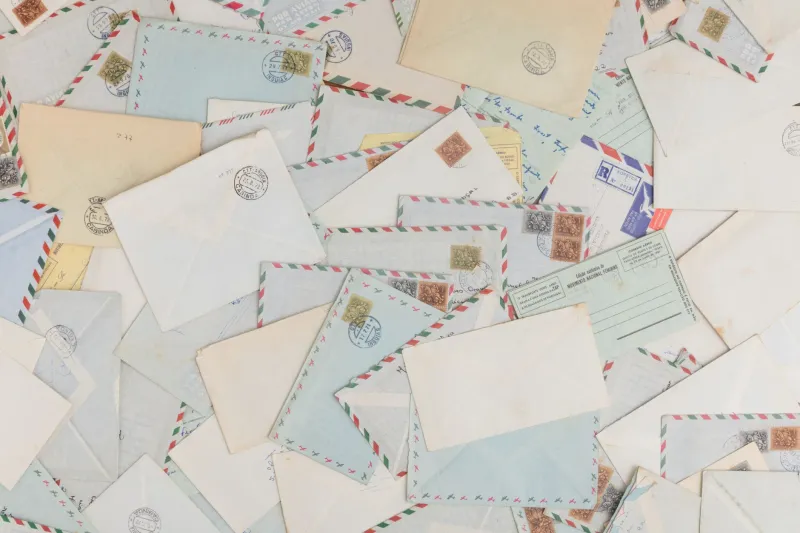
Imagine trying to rent an apartment, land a job, or secure a small business loan — and the most important document in the room isn't a credit report or a background check printout. It's a single folded letter, written in longhand, from someone who actually knows you.
That wasn't a scene from a Victorian novel. For much of the 20th century, that was just Tuesday in America.
When Your Reputation Traveled on Paper
The personal reference letter was once one of the most powerful documents an ordinary American could possess. Not because it was legally binding or officially verified, but because it represented something that no algorithm has ever quite managed to replicate: a human being staking their own credibility on yours.
In a world where communities were tighter and professional networks were built face-to-face rather than through follower counts, a letter from your minister, your former employer, your family doctor, or a respected neighbor carried real social weight. Banks lent money based on them. Landlords handed over keys because of them. Employers hired on the strength of them before a candidate ever sat down in a chair.
The implicit logic was straightforward. If a person of standing in the community was willing to put their reputation behind yours, that meant something. It meant they'd looked you in the eye. It meant they had skin in the game.
A Portable Reputation in a Trust-Based Economy
Think about what America looked like in the 1940s and 1950s. Most people didn't move far from where they grew up. Your neighbors knew your parents. Your boss had probably watched you grow up in the same church pew. When you eventually left your hometown to start over somewhere new — heading to a city for work, relocating after military service — you carried letters of introduction the way people today carry their phone.
Those letters weren't just professional courtesies. They were your portable identity. They answered the question every stranger in a new place was quietly asking: Who is this person, really?
A young man arriving in Chicago from rural Ohio with a letter from his county bank manager and his high school principal wasn't just a stranger off the street. He was someone's vouched-for person. That changed how doors opened — or didn't.
The Craft of Writing One Well
There was also a whole culture around how reference letters were written. A vague, generic letter was nearly useless and everyone knew it. The letters that actually worked were specific. They named incidents. They described character in concrete terms. They said things like: "During the flood of 1952, this man organized his entire block without being asked and refused any credit for it."
Writing a strong reference was considered a genuine skill, even a civic responsibility. If you were in a position to vouch for someone, you took that seriously. You didn't dash off two sentences on company letterhead and call it done. The letter reflected on you just as much as on the person you were recommending.
And crucially — if you vouched for someone who later proved dishonest or unreliable, that landed back on your reputation. The system had accountability built in at the human level.
When the Machines Moved In
The shift happened gradually, then all at once. Credit bureaus expanded through the 1960s and 1970s, turning financial trustworthiness into a number. Employment screening companies emerged in the 1980s and 1990s, offering background checks that promised objectivity. The internet made verification instant and impersonal.
By the time LinkedIn arrived in the early 2000s and turned professional endorsements into something you could request with a single click, the personal reference letter had already been largely retired. Today, most hiring managers never read one. Most landlords never ask for one. Banks certainly don't.
The argument for automation is reasonable enough. Algorithms don't play favorites. They can't be fooled by a charming personality or a well-connected family friend. They scale in ways that human judgment never can.
But something real got lost in that transition.
What Disappeared When Character Became a Score
The old system wasn't fair by today's standards. It was deeply vulnerable to nepotism, racial exclusion, and the gatekeeping of tight social networks. People who were outside the right circles — who didn't have a well-connected minister or a respected employer willing to write for them — were often simply left out. That's not a small thing.
But the modern replacement has its own blind spots. A background check tells you whether someone was caught doing something wrong. A credit score tells you whether someone managed debt according to a particular formula. Neither one tells you whether a person is honest under pressure, generous with their time, or the kind of neighbor who shovels your walk without being asked.
The reference letter, at its best, could speak to all of that. It was a record of character, not just behavior. And it required a living human being to stand behind it.
A System That Trusted People to Judge People
There's something worth sitting with in the idea that America once built significant parts of its economic and social infrastructure around the concept of vouching. Not data. Not scores. Not digital profiles. Just one person saying to another: I know this individual. I trust them. And I'm willing to say so with my name attached.
Was it messy? Absolutely. Was it imperfect? Without question. But it was also deeply human in a way that today's screening processes simply aren't.
Next time you get an automated rejection email from a job application you never even got to discuss with a real person, it's worth remembering: there was once a system where your whole story could fit on a single page — and the right person's signature at the bottom was enough to change everything.