The Guy at the Hardware Store Could Fix Your House in His Sleep — So You Never Had To Learn

Here's a scenario that would have been completely ordinary in 1965 and is nearly impossible today.
You walk into a hardware store. It's small — maybe two thousand square feet, wooden floors, the smell of machine oil and sawdust. You tell the man behind the counter that your kitchen faucet is dripping and you've already tried tightening it but the drip is getting worse, not better, and the handle feels loose now too. He asks you two questions. He goes to a drawer somewhere in the back, pulls out a single small part, and tells you exactly what to do when you get home. He might even draw you a diagram on a paper bag.
The whole transaction takes eight minutes and costs about a dollar and a half.
That man — and everything he represented — is almost entirely gone from American life.
The Hardware Store as Neighborhood Institution
The independent hardware store was once one of the most reliable fixtures in American towns. Almost every neighborhood had one, often family-owned and operated for decades. The person behind the counter wasn't a retail worker in the modern sense — they were a tradesperson who happened to sell things. Many had backgrounds in plumbing, electrical work, carpentry, or general contracting. They'd seen every common home repair problem hundreds of times.
What made those stores genuinely valuable wasn't the inventory. It was the knowledge embedded in the staff. You didn't go there just to buy a part — you went there to figure out what part you needed, why your current situation had developed, and how to prevent it from happening again. The transaction was as much consultation as it was commerce.
And because these stores served the same neighborhoods for generations, the clerks knew their customers. They knew which houses on which blocks had older plumbing, which types of problems were common in the local housing stock, which brands held up and which didn't. That hyper-local expertise was built over years and wasn't written down anywhere. It lived in the heads of the people who showed up every morning.
What Big-Box Retail Actually Replaced
The arrival of Home Depot — which opened its first stores in Atlanta in 1979 — changed American hardware retail permanently. The pitch was straightforward: more products, lower prices, everything under one enormous roof. For consumers, it seemed like a pure upgrade.
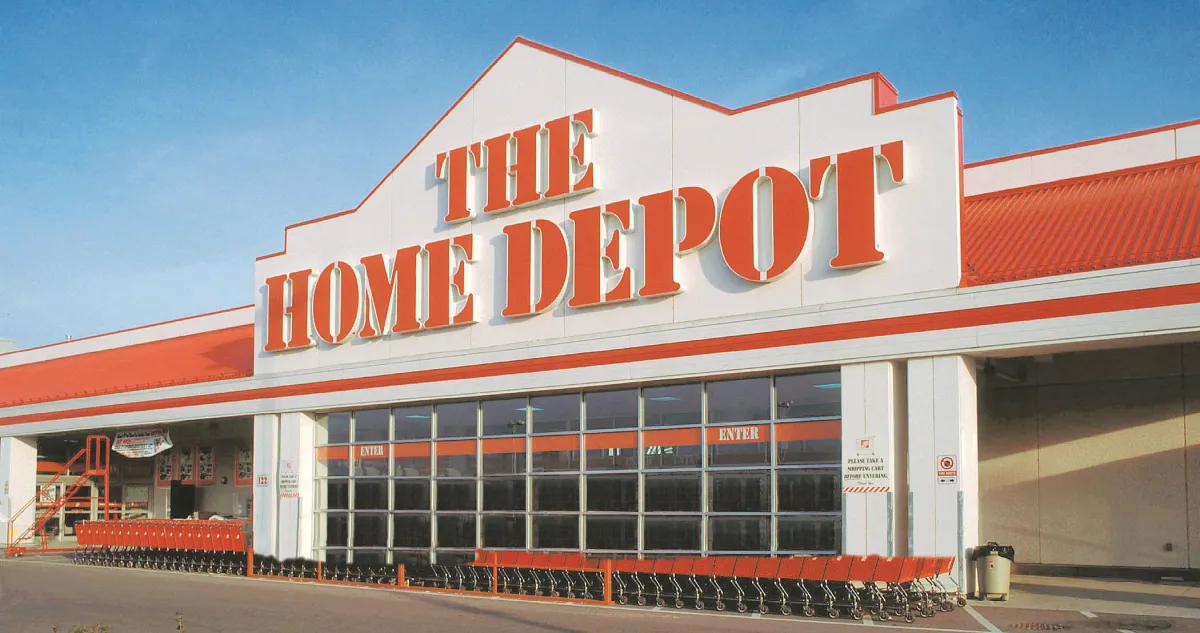 Photo: Home Depot, via metrocompactor.com
In many ways it was. The selection was genuinely broader. The prices were lower. You could buy lumber, appliances, garden supplies, and paint all in the same trip. For large projects, the big-box model made a lot of sense.
But the thing that didn't survive the transition was expertise. A store with a hundred thousand square feet of floor space and hundreds of employees can't replicate the knowledge base of a small shop where three people have spent their careers learning everything about home repair. The staffing model changed. The pay changed. The training changed. What had been a career became a job.
Today, the experience of asking a Home Depot employee for help diagnosing a plumbing issue is, to put it charitably, inconsistent. Some staff members are knowledgeable and genuinely helpful. Many others are doing their best with limited training in a department they may have been assigned to last week. The institutional knowledge that once lived behind the counter of a local hardware store simply doesn't exist in that environment.
The YouTube Gap
The internet was supposed to fix this. And in some respects, it has. YouTube tutorials have genuinely democratized home repair knowledge in ways that would have been unimaginable thirty years ago. You can find a video walkthrough of almost any repair task, often filmed by someone who actually knows what they're doing.
But there's a critical difference between watching a video and talking to a person. A video can't ask you follow-up questions. It can't hear the specific sound your pipe is making and tell you what that means. It can't look at the age of your house and tell you that the standard repair probably won't work because your plumbing is an older configuration that requires a different approach.
More importantly, a video assumes you've already correctly diagnosed your problem. The old hardware store clerk was often most valuable before the diagnosis — in the stage where you described your symptoms and he figured out what was actually wrong. That diagnostic conversation is something no tutorial can replicate, because tutorials assume you already know what you're looking for.
A Culture That Stopped Fixing Things
The combined effect of big-box retail and the decline of local expertise has been subtle but significant. Americans, as a general matter, fix things themselves less than they used to. Home warranty subscription services — a product that barely existed a generation ago — have grown into a multi-billion dollar industry. The model is simple: pay a monthly fee, and when something breaks, call a contractor instead of figuring it out yourself.
There's nothing wrong with that, exactly. But it represents a genuine shift in the relationship between Americans and their homes. A generation or two ago, most homeowners had a baseline competence with basic repairs — not because they were especially handy, but because they had access to someone who could walk them through it and give them the confidence to try. The local hardware store clerk was, in a very real sense, the infrastructure that made DIY culture possible.
Without that support, the skills atrophied. The confidence went with them.
What's Still Out There
The independent hardware store hasn't completely disappeared. Chains like Ace Hardware and True Value have survived by leaning into exactly what the big-box model can't offer — knowledgeable staff, personalized service, and a shopping experience that doesn't require a map. In many towns, locally owned hardware stores still operate on the original model: smaller, more expensive, and worth every penny if you actually need help.
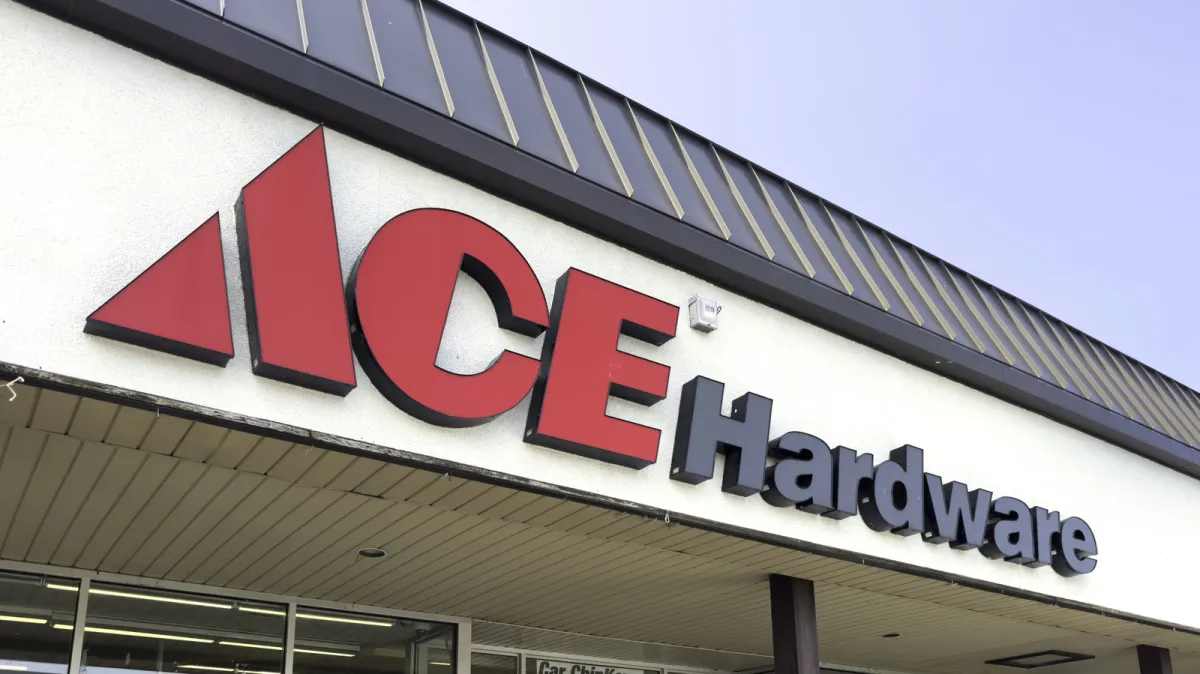 Photo: Ace Hardware, via www.slashgear.com
But they're rarer than they used to be, and the culture that surrounded them — the assumption that someone in your community knew how to fix things and would help you learn — has faded considerably.
The irony is that Americans today have access to more home repair information than any previous generation. What they've lost is the human layer that turned information into understanding. The guy behind the counter didn't just tell you what to buy. He told you that you could handle it yourself. And for a long time, that was enough.