Before Strangers Delivered Your Groceries: When American Service Came With a Side of Human Connection
The Man Who Knew Your Family Better Than Some Relatives
Every Tuesday and Friday morning at 6 AM sharp, Ed Martinez would quietly place two glass bottles of milk and a block of butter on the Hendersons' front porch. He'd been doing it for eight years, long enough to watch little Amy Henderson grow from a toddler who pressed her nose against the window to a third-grader who sometimes left him crayon drawings tucked under the empty bottles.
When Amy came down with pneumonia that winter, Ed noticed the milk wasn't being taken in. He knocked on the door, learned about the sick child, and quietly left an extra bottle of chocolate milk—Amy's favorite—without charging for it. That afternoon, he stopped by the pharmacy to let Mrs. Henderson know that Dr. Morrison's prescription was ready for pickup.
This wasn't exceptional customer service. This was just Tuesday in 1965 America, when the people who provided everyday services weren't anonymous contractors optimizing delivery routes through an app. They were neighbors who happened to bring you milk, fill your prescriptions, and deliver your mail.
When Your Pharmacist Was Your Health Advisor
Walk into Kowalski's Pharmacy on Main Street, and Stan Kowalski could tell you the medication history of half the town without consulting a computer. He knew that Mrs. Patterson's arthritis flared up before rainstorms, that young Jimmy Chen was allergic to penicillin, and that the Robertsons' baby had been colicky until they switched to a different formula.
 Photo: Main Street, via divnil.com
Stan didn't just count pills and collect payment. He was often the first person people consulted about mysterious symptoms, the one who suggested they see a doctor, or the voice of reassurance when a prescription seemed scary. He knew which customers couldn't afford their medications and quietly arranged payment plans or samples. He remembered birthdays, asked about grandchildren, and noticed when regular customers stopped coming in.
Contrast this with today's pharmacy experience: long lines at corporate chains, rotating staff who don't recognize regular customers, automated systems that know your insurance copay but not your name. The efficiency is undeniable, but something fundamental was lost in the translation from corner drugstore to retail healthcare.
The Postal Carrier Who Was Part Detective, Part Social Worker
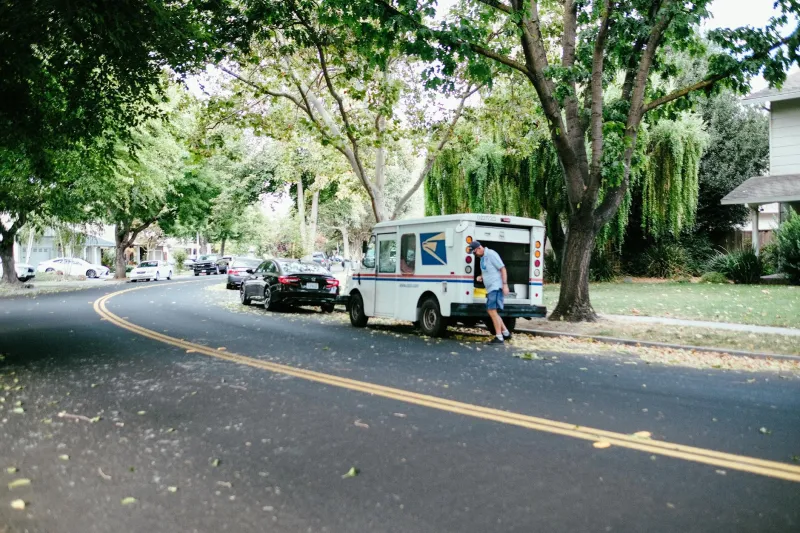
Ralph Thompson walked the same 12-block route in suburban Cleveland for 23 years. He knew which houses got regular letters from overseas (the Kowalskis' son was stationed in Germany), which elderly residents lived alone (he'd linger an extra moment to make sure they answered the door), and which families were struggling financially (the utility company notices piling up told their own story).
When 82-year-old Mrs. Garcia's mail started accumulating in her box for three days straight, Ralph didn't just note it in a report. He knocked on the door, got no answer, and called her daughter in Toledo. Mrs. Garcia had fallen and couldn't reach the phone. Ralph's attention to human details literally saved her life.
Today's mail delivery operates on entirely different principles. Routes are optimized for efficiency, carriers rotate frequently, and the focus is on package throughput rather than community connection. The modern postal worker is more likely to know the optimal path through your neighborhood than the names of the people who live there.
When Operators Connected More Than Phone Calls
Before direct dialing became universal in the 1970s, placing a long-distance call meant going through an operator—often the same operator, day after day. These women (and they were almost exclusively women) became inadvertent confidantes to their communities.
Betty Morrison worked the evening shift at the Riverside telephone exchange for 15 years. She knew that Dr. Patterson got emergency calls on Tuesday nights (his poker game), that the Henderson boy called his girlfriend every evening at 7:30 sharp, and that Mrs. Chen always called her sister in San Francisco on Sunday mornings after church.
When young couples were dating long-distance, Betty would sometimes waive charges for brief "I love you" calls. When elderly customers seemed confused or distressed during calls, she'd gently check if they needed help. She was a human router in the truest sense—connecting not just phone lines, but lives.
The efficiency of modern telecommunications is miraculous. We can video chat with someone on the other side of the planet instantly and for free. But we lost something when the human intermediary disappeared from our communications infrastructure.
The Economics of Knowing Your Customers
What made these relationships possible wasn't just small-town charm—it was economics. Service providers built their businesses on repeat customers and word-of-mouth recommendations. Your milkman's livelihood depended on keeping you happy enough to continue the service and recommend him to new neighbors. Your pharmacist's success came from being trusted with your family's health concerns.
This created powerful incentives for genuine customer care. Service providers had to be observant, reliable, and personally invested in their customers' satisfaction. They couldn't hide behind corporate policies or blame system glitches when something went wrong.
Modern service delivery operates on completely different economic principles. Gig workers are optimized for speed and volume, not relationship building. Corporate employees follow scripts and policies designed by distant executives. The economic incentives reward efficiency and standardization, not personal connection.
What We Gained and Lost in Translation
There's no question that modern service delivery offers tremendous advantages. Your groceries can be delivered within hours from a selection that would have amazed previous generations. Your prescriptions are tracked through sophisticated systems that catch dangerous drug interactions. Your mail reaches you even if you move across the country.
But efficiency came at the cost of human connection. The people who provide essential services in our daily lives have become increasingly anonymous. We interact with systems more than people, algorithms more than individuals.
This shift has profound implications beyond mere convenience. Those service providers weren't just delivering milk or filling prescriptions—they were part of an informal social safety net. They noticed when something was wrong, offered help during difficult times, and provided human connection for isolated community members.
The Unintended Consequences of Optimization
When we optimized service delivery for efficiency and cost, we inadvertently dismantled a network of human relationships that served functions we didn't fully appreciate until they were gone. The milkman who noticed when customers seemed ill, the pharmacist who remembered family medical histories, the postal carrier who checked on elderly residents—these weren't inefficiencies to be eliminated. They were features of a more connected society.
Today's equivalent might be your Amazon delivery driver, but they're incentivized to drop packages and move quickly to the next stop. Your grocery delivery person follows an app's instructions to leave items at your door. Your prescription arrives by mail with no human interaction at all.
We've gained convenience, selection, and often lower prices. But we've lost something harder to quantify: the sense that the people providing essential services actually know us as human beings rather than account numbers in a database.
Rediscovering Human-Scale Service
Understanding what we've lost doesn't mean we should romanticize the past or ignore the real benefits of modern efficiency. But it might help us think more carefully about what we value in the services that shape our daily lives.
Some communities are rediscovering the appeal of human-scale service: local pharmacies that know their customers, community-supported agriculture that connects farmers directly with families, local businesses that prioritize relationships over transactions.
The challenge isn't returning to 1965—it's figuring out how to combine modern efficiency with the human connections that made service feel less transactional and more like community care. Because in the end, we're not just consumers of services. We're neighbors who sometimes need more than just the efficient delivery of goods—we need the reassurance that someone notices when we're not okay.