When Your Word Was Your Bond: How America Went From Handshakes to Fine Print
When Your Word Was Your Bond: How America Went From Handshakes to Fine Print
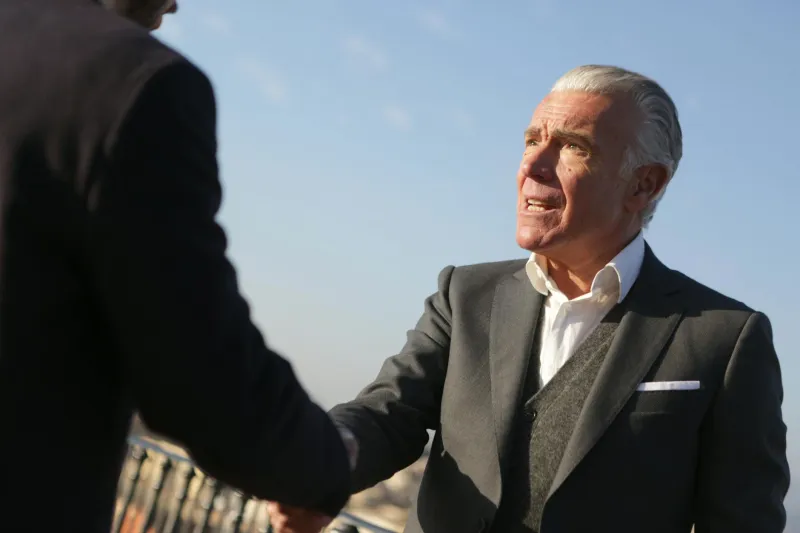
Picture this: You walk into a car dealership in 1955, kick the tires on a gleaming Chevrolet Bel Air, shake hands with the salesman named Frank who's lived in your town his whole life, and drive off the lot. No credit checks. No 12-page purchase agreements. No extended warranty disclaimers. Just two people, a price, and a promise.
Sound impossible? For most of American history, this was Tuesday.
The Era of the Sacred Handshake
Until the 1970s, much of American commerce operated on what seems like pure fantasy today: trust. When your neighbor hired you to paint his fence, you shook on it. When the local hardware store owner ordered supplies from his distributor, a phone call and a handshake sealed the deal. When farmers sold their crops, verbal agreements made months in advance were honored without question.
This wasn't naive optimism—it was practical necessity. In smaller communities where everyone knew everyone, your reputation was your currency. Break your word to someone, and by sunset, half the town would know about it. There were no Yelp reviews or Better Business Bureau complaints needed. Social accountability was instant and brutal.
The local bank president knew your family, your work history, and probably your grandfather. When you needed a loan, he looked you in the eye, not at your credit score. Contractors showed up when they said they would because their livelihood depended on word-of-mouth recommendations from neighbors who would see them at church on Sunday.
When Everything Changed
So what happened? America got bigger, more mobile, and more anonymous. The guy selling you a used car in 1980 might never see you again. The contractor fixing your roof could disappear into a city of millions if things went wrong. As communities grew larger and more transient, personal accountability began to fade.
The legal profession grew alongside this shift. In 1950, there were about 220,000 lawyers in America. By 2020, that number had exploded to over 1.3 million. As trust declined, the demand for legal protection skyrocketed.
Corporate America accelerated the trend. As businesses grew from local shops to national chains, personal relationships between business owners and customers vanished. The friendly shopkeeper who knew your name was replaced by corporate policies, franchise agreements, and liability concerns managed by teams of lawyers who had never met a single customer.
The Fine Print Revolution
Today's America runs on documents. Buying a house requires signing your name roughly 200 times. Getting a cell phone plan means agreeing to terms longer than most novels. Even downloading a free flashlight app requires accepting conditions that would make a 19th-century lawyer's head spin.
We've become a nation of unread agreements. Studies show that it would take the average American 76 working days per year just to read all the terms and conditions they agree to. Instead, we scroll to the bottom and click "I Accept" without reading a word, knowing full well we're probably signing away rights our grandparents never would have imagined losing.
The modern American carries liability waivers to play mini-golf, signs NDAs to work at coffee shops, and needs written contracts to borrow a neighbor's lawnmower. We've traded the simplicity of trust for the security of legal protection—and lost something fundamental in the process.
What We Lost in Translation
The shift from handshakes to hundred-page contracts represents more than just legal evolution—it's a fundamental change in how Americans relate to each other. When your word was your bond, relationships mattered more than technicalities. People invested in building long-term trust rather than finding short-term loopholes.
Small disputes were settled over coffee, not in court. Business was personal, which made it more human but also more accountable. The threat of social ostracism was often more powerful than any legal penalty.
Modern contracts, for all their legal precision, can't capture what a handshake once conveyed: mutual respect, shared risk, and the understanding that both parties had something to lose if they didn't honor their word.
The Trust Deficit
Today's legal maze reflects a deeper cultural shift. We've gained legal protection but lost social trust. We have more ways to enforce agreements but fewer reasons to believe people will honor them without enforcement. We can sue anyone for anything, but we can barely trust anyone for nothing.
The handshake deal wasn't perfect—it sometimes failed, and it often excluded people outside established social circles. But it represented something we've struggled to replace: the idea that your reputation was worth more than any contract, and your word was the most valuable thing you owned.
In our rush to protect ourselves from every possible betrayal, we've created a world where betrayal is not only expected—it's planned for, documented, and legally anticipated. Perhaps the real change isn't that people became less trustworthy, but that we stopped believing they could be trusted at all.