When a Cart Full of Groceries Cost What You Spend on Coffee Today: America's Incredible Shrinking Dollar
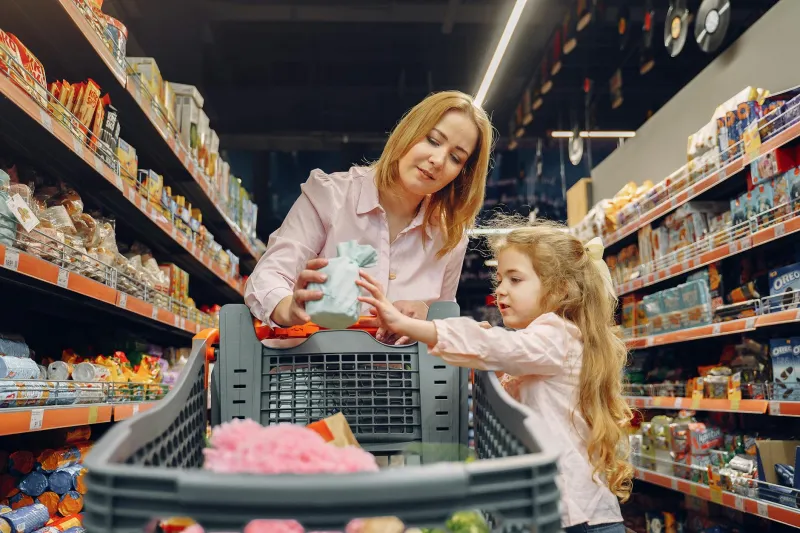
Picture this: It's 1975, and your grandmother walks into the local A&P with a twenty-dollar bill. She emerges with two paper bags packed with a week's worth of groceries for the family—milk, bread, ground beef, eggs, vegetables, and even a box of cookies for the kids. That same twenty dollars today? You'd be lucky to leave the store with a gallon of milk, a loaf of artisan bread, and maybe some organic eggs.
The Numbers Tell a Stunning Story
Let's break down what that 1975 shopping trip actually looked like. A gallon of milk cost 62 cents. A loaf of white bread ran about 28 cents. A dozen eggs? Just 77 cents. Ground beef was $1.09 per pound, and a pound of chicken breast cost around 89 cents. Fill up that cart with basics for a family of four, and you'd walk out having spent roughly $15 to $18.
Today, that exact same cart would cost between $120 and $150, depending on where you shop. That's not just inflation—that's a fundamental transformation of what money can actually buy in America.
When Paychecks Actually Bought Things
The real shock comes when you compare those grocery bills to what people earned. In 1975, the median household income was about $11,800. That weekly grocery bill of $18 represented roughly 8% of a family's monthly income. Today, with median household income around $70,000, that same percentage would mean spending about $470 per month on groceries. But most families spend closer to $800 to $1,000.
Your grandparents weren't just paying less for food—they were dedicating a smaller slice of their income to keeping the refrigerator stocked. The dollar simply went further, and groceries took up less mental and financial space in the family budget.
The Corporate Consolidation Effect
Something else changed between then and now: who controls America's food supply. In 1975, thousands of independent grocery stores competed with regional chains. Local distributors worked with smaller farms, and the supply chain was shorter and less concentrated.
Today, just four companies control about 70% of the beef market. Three companies control nearly 60% of pork processing. This consolidation has given corporations unprecedented pricing power, allowing them to maintain high prices even when their costs drop. When a handful of companies control entire sectors, competition becomes more of a suggestion than a reality.
The Hidden Costs We've Normalized
Modern grocery shopping comes with expenses that didn't exist in 1975. Organic certification fees get passed to consumers. Elaborate packaging and marketing campaigns inflate costs. The demand for year-round availability of all produce means expensive global supply chains. Even the grocery stores themselves have changed—those massive supercenters with their elaborate displays and specialized departments cost more to operate than the simple neighborhood markets of decades past.
We've also shifted toward convenience foods that our grandparents would have made from scratch. A box of instant mashed potatoes costs more per serving than actual potatoes, but busy families pay the premium for time savings. These small choices add up to shopping carts that would have baffled previous generations.
When 'Eating Out' Was Actually Special
The explosion in restaurant prices tells the same story. In 1975, a family dinner at a mid-range restaurant might cost $12 to $15 total. Today, that same meal runs $60 to $80. Fast food has followed the same trajectory—a McDonald's hamburger that cost 30 cents in 1975 would be about $1.50 in today's inflation-adjusted dollars, but actually costs around $3.50.
This pricing shift has fundamentally altered how Americans think about food. Eating out used to be a special occasion; now it's often a necessity for families juggling work and activities. But the financial impact has grown exponentially.
The Quiet Acceptance of Less
Perhaps most striking is how Americans have adapted to this new reality without much protest. We've accepted that food costs more, that paychecks buy less, and that financial stress around basic necessities is just part of modern life. We shop sales, clip coupons, and buy generic brands—strategies our grandparents rarely needed for basic survival.
Young adults today often express amazement at stories of previous generations buying homes on single incomes or raising large families comfortably on modest salaries. The grocery cart tells the same story in miniature: the dollar that once stretched to cover life's basics now requires careful management just to keep food on the table.
The New Normal We Never Chose
When your grandmother filled that cart for twenty dollars, she wasn't living in some golden age of abundance. She was experiencing what a stable currency and competitive markets could provide. Today's reality—where grocery bills consume ever-larger portions of household budgets—represents a quiet erosion of American prosperity that we've somehow learned to accept as inevitable.
The numbers don't lie: the dollar that once bought a week's worth of groceries now barely covers a single meal. And while we've adapted to this new normal, it's worth remembering that there was nothing inevitable about it. The purchasing power we've lost didn't just disappear—it was transferred, gradually and quietly, until we forgot what our money used to be able to buy.