When $30,000 Bought You a Home: The Vanishing American Dream of Affordable Homeownership
When $30,000 Bought You a Home: The Vanishing American Dream of Affordable Homeownership
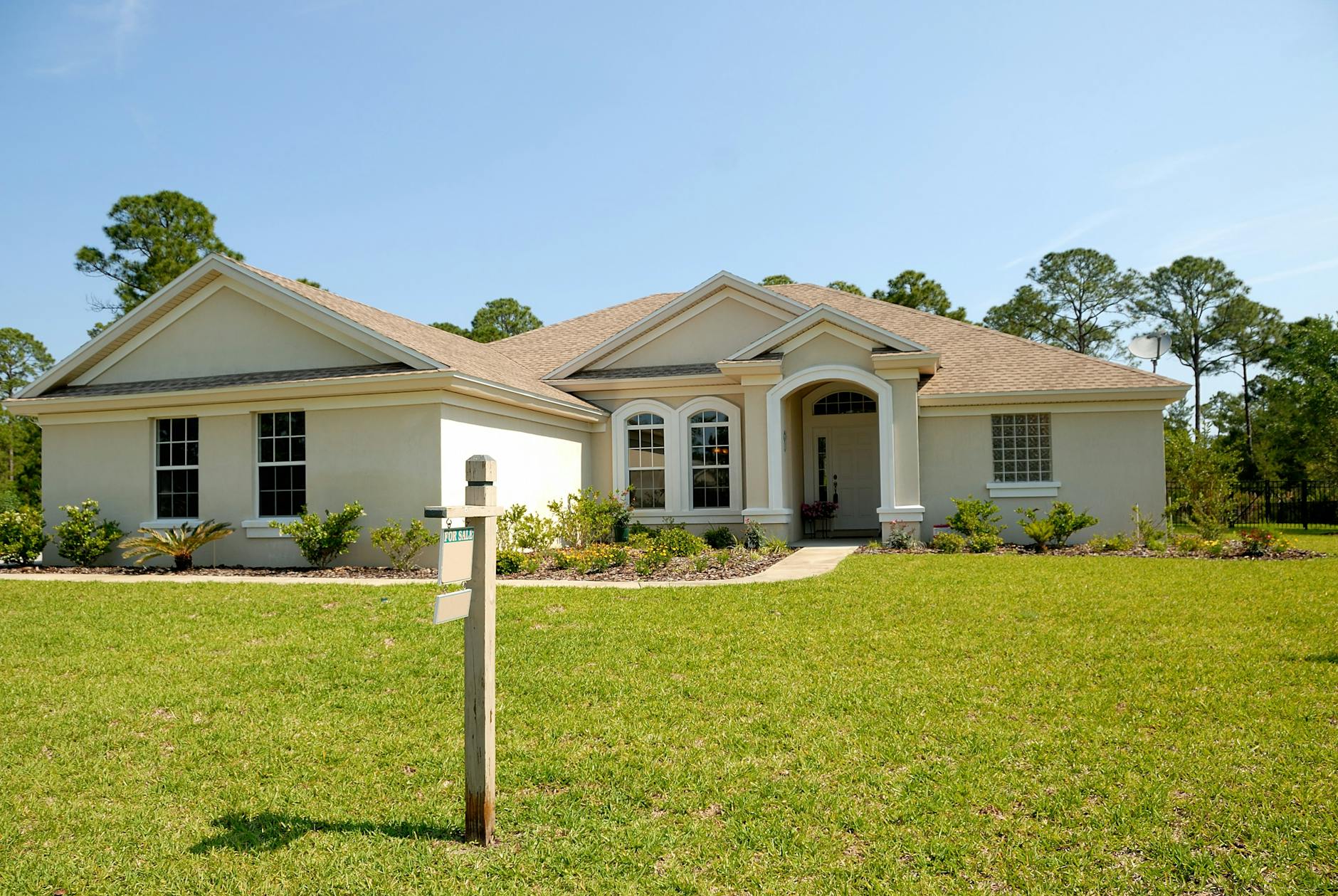
Picture this: It's 1973. You're a 28-year-old factory worker in Ohio, maybe pulling in around $12,000 a year. You and your spouse decide it's time to buy a house. You find a three-bedroom ranch home in a decent suburb, shake hands with a realtor, and sign on the dotted line — for $28,900. The mortgage payment lands somewhere around $150 a month. It's tight, but it's doable. On one income.
That world is almost unrecognizable today.
The median sale price of an American home hit roughly $417,000 in 2024. The average 30-year mortgage rate has bounced between 6.5% and 8% in recent years. And the idea of a single middle-class income covering a monthly payment? For most American families, that ship has sailed — and it's not coming back anytime soon.
How did we get here? The story of American real estate is, in many ways, the story of the country itself.
The 1970s: A Different Ballgame
In 1970, the median home price in the United States sat at around $23,000. By 1980, it had climbed to roughly $64,000 — a significant jump, but one that still tracked reasonably close to wage growth. Crucially, mortgage interest rates in the early '70s hovered around 7–8%, which sounds familiar today, but the underlying home prices were so much lower that monthly payments remained manageable for working households.
There was also a broader cultural and economic context that made homeownership feel accessible. Manufacturing jobs were still plentiful. Union membership was near its historical peak, which meant better wages and more job security for blue-collar workers. The GI Bill had already sent a generation of veterans into the suburbs, and the infrastructure — highways, schools, shopping centers — had followed them out there.
Buying a home in 1972 wasn't just affordable. For millions of Americans, it was almost expected.
The Slow Burn: How Prices Climbed
The shift didn't happen overnight. Through the 1980s and '90s, home prices rose steadily, but so did household incomes — at least for a while. The real turning point came in the early 2000s, when a combination of loose lending standards, speculative buying, and a Wall Street appetite for mortgage-backed securities sent prices into a frenzy.
The 2008 financial crisis hit the reset button — painfully. Home values collapsed, millions of Americans lost their properties to foreclosure, and the housing market spent years in recovery. But here's the twist: rather than returning prices to something resembling historical norms, the post-crash era set the stage for an even steeper climb.
By 2020, low interest rates — some of the lowest in modern history — supercharged buyer demand. Remote work untethered people from city centers. Institutional investors entered the single-family home market in force. And homebuilding, already sluggish since 2008, couldn't keep pace with demand. The result? A supply-and-demand squeeze that pushed prices to levels that would have seemed like science fiction to a homebuyer in 1975.
The Numbers That Tell the Story
Let's put the contrast into plain terms. In 1973, the median home cost roughly 2.5 times the median household income. Today, that ratio sits closer to 6 or 7 times — and in high-demand markets like San Francisco, New York, or Miami, it's far worse.
A buyer purchasing a median-priced home today at current rates would face a monthly mortgage payment of somewhere between $2,500 and $3,000 — before property taxes, insurance, or maintenance. The median household income in the US is around $74,000 a year, which works out to about $6,100 a month before taxes. Do the math, and you're looking at nearly half of gross income going to housing — well above the traditional 28–30% threshold that financial advisors have long recommended.
First-time buyers are feeling it most acutely. The average age of a first-time homebuyer has crept up to around 35, compared to the late 20s that was typical in previous decades. Down payment requirements, tighter lending standards post-2008, and stagnant wage growth for younger workers have all pushed that milestone further into the future.
What Changed — And What Didn't
It's worth noting that not everything about the old housing market was rosy. Restrictive covenants and discriminatory lending practices locked Black Americans and other minorities out of the wealth-building suburban expansion for decades. The affordable housing of the 1970s wasn't equally accessible to everyone, and that history matters.
But the core economic equation — that a working family could reasonably aspire to own a home within a few years of entering the workforce — has genuinely eroded for a wide swath of Americans, regardless of background.
Zoning laws that limit density, a chronic shortage of starter homes, and the increasing financialization of housing as an asset class rather than a basic need have all played a role. The house that was once a home is now, in many markets, primarily an investment vehicle.
A Vault Worth Reflecting On
The American dream of homeownership hasn't disappeared — but the path to it has been fundamentally redrawn. What once required a modest income and a few years of saving now demands years of careful financial planning, significant family support, or a willingness to relocate to markets most people have never considered.
When your grandparents tell you they bought their first house for less than you paid for your car, they're not exaggerating. The vault of change here is wide open — and what's inside is a story about how one of the most foundational promises of American life has quietly, dramatically transformed within a single lifetime.