Pack Light, Show Up Anywhere: When Crossing Borders Was as Easy as Buying a Train Ticket
When the World Had No Walls
In 1925, an American could wake up in New York, decide to see Paris, and be sipping wine on the Champs-Élysées within a week—no visa application, no passport photos, no months of planning. The most complex part of international travel was choosing which steamship line offered the best meals.
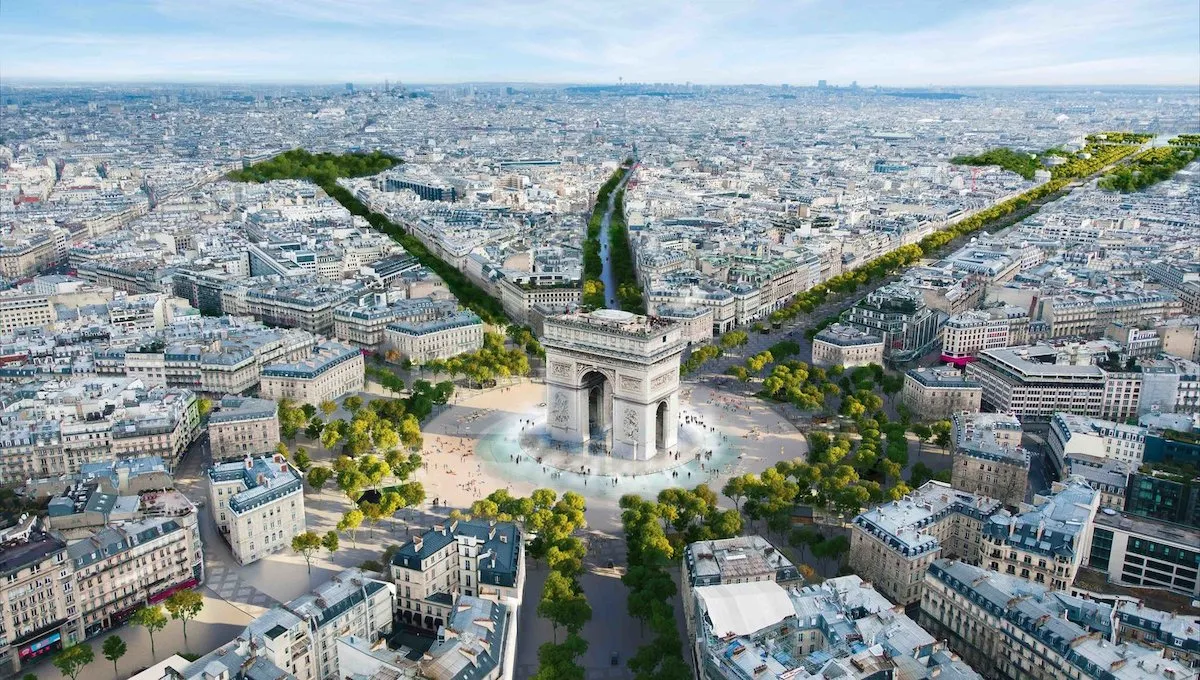 Photo: Champs-Élysées, via www.fubiz.net
For most of human history, borders were suggestions rather than fortresses. Americans traveling to Europe in the early 20th century needed little more than proof of citizenship, often just a letter from their local mayor or a baptismal certificate. Mexico welcomed American tourists with a simple nod at the border. Even traveling to exotic destinations like Egypt or India required minimal paperwork—a few stamps, maybe a health certificate, and you were on your way.
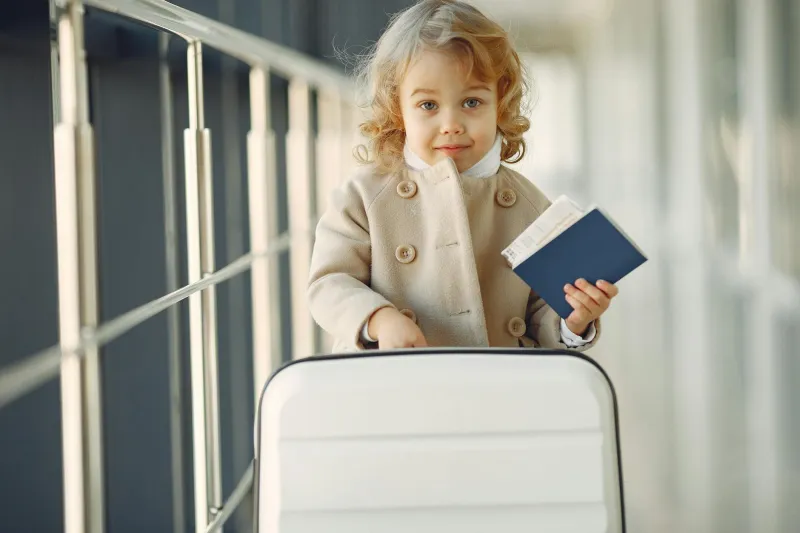
The modern passport, that little blue booklet that Americans clutch like a lifeline, didn't become mandatory for most international travel until World War I. Even then, many countries dropped passport requirements again during the 1920s, treating them as temporary wartime measures rather than permanent fixtures of travel.
The Birth of the Bureaucratic Maze
Everything changed after World War II. What started as security measures gradually became standard operating procedure. The Cold War added layers of suspicion and scrutiny. Immigration concerns piled on more requirements. Terrorism fears after 9/11 turned border crossings into elaborate security theater.
Today, planning a trip to Europe means navigating a bureaucratic obstacle course that would have baffled travelers from previous generations. Want to visit multiple countries? You'll need to research visa requirements for each destination, some of which require applications submitted months in advance. Planning to work remotely from Bali? That'll require a different visa than tourism, with income documentation and proof of accommodation.
The simple act of crossing from the United States into Canada—once as casual as driving to the next state—now requires a passport or enhanced driver's license. Mexican border towns that American families visited for weekend shopping trips now feel like international expeditions requiring advance planning.
When Travel Agents Were Miracle Workers
Before the internet made us all amateur travel researchers, professional travel agents handled the growing complexity of international travel. They knew which countries required visas, which vaccines were mandatory, and how long processing would take. They were part logistics coordinator, part diplomatic insider.
Today, that knowledge burden has shifted to individual travelers. Planning a trip to Southeast Asia means becoming an expert in visa-on-arrival policies, embassy processing times, and constantly changing entry requirements. A single Google search for "visa requirements" can return dozens of official and unofficial websites, each with slightly different information.
The rise of travel blogs and forums has created an entire industry around decoding international travel requirements. Websites dedicated to visa information, processing services that charge hundreds of dollars to handle paperwork, and travel insurance policies that didn't exist when your grandparents toured Europe—all symptoms of a system that has grown exponentially more complex.
The Digital Border Wall
Modern technology promised to make travel easier, but it's often had the opposite effect. Biometric scans, electronic travel authorizations, and digital visa applications have created new categories of travel requirements that didn't exist in the analog world.
The European Union's ETIAS system, launching soon, will require Americans to apply for travel authorization even for short tourist visits—turning what was once a spontaneous decision into a planned bureaucratic exercise. Similar systems in other countries mean that "visa-free" travel increasingly isn't actually free of requirements.
Social media screening has added another layer of scrutiny. Immigration officers now have the authority to examine travelers' online presence, turning Facebook posts and Instagram photos into potential grounds for entry denial. The casual political opinion or joke that might have been forgotten in conversation can now become a permanent barrier to travel.
The Price of Security
None of this complexity exists without reason. Modern border controls help prevent terrorism, human trafficking, and illegal immigration. They protect public health and national security in ways that casual border crossings of the past couldn't.
But something intangible was lost in the transition. The spontaneous adventure, the ability to follow curiosity wherever it led, the sense that the world was genuinely open to exploration—these became casualties of our more secure, more documented, more controlled global system.
When Wanderlust Met Reality
Previous generations of Americans grew up with the assumption that most of the world was accessible if you could afford the transportation. Today's travelers grow up assuming that accessing most of the world requires navigating complex legal and bureaucratic requirements.
The gap between our connected world and our restricted movement creates a peculiar modern paradox. We can video chat with someone in Thailand instantly, but visiting them might require months of visa processing. We can see every corner of the globe through social media, but actually going there involves more paperwork than buying a house.
Yet perhaps this complexity has also created a new kind of appreciation for international travel. When crossing borders required genuine effort and planning, the experience itself became more meaningful. The stamps in modern passports represent not just destinations visited, but obstacles overcome and bureaucracies conquered.
The world became both smaller and harder to reach, more connected and more compartmentalized. In gaining security and control, we traded the simple freedom to pack light and show up anywhere—a freedom that previous generations of Americans took for granted as naturally as breathing.