Forty Percent of America's Vegetables Came From Backyards: The Victory Garden Revolution We Forgot
The Garden That Won the War
In 1943, Eleanor Roosevelt planted a Victory Garden on the White House lawn. By harvest time, that symbolic patch of vegetables had inspired a movement that transformed America's relationship with food. Twenty million households followed her lead, turning backyards, vacant lots, and rooftops into productive gardens that supplied nearly 40 percent of the nation's fresh vegetables.
 Photo: White House, via www.shutterstock.com
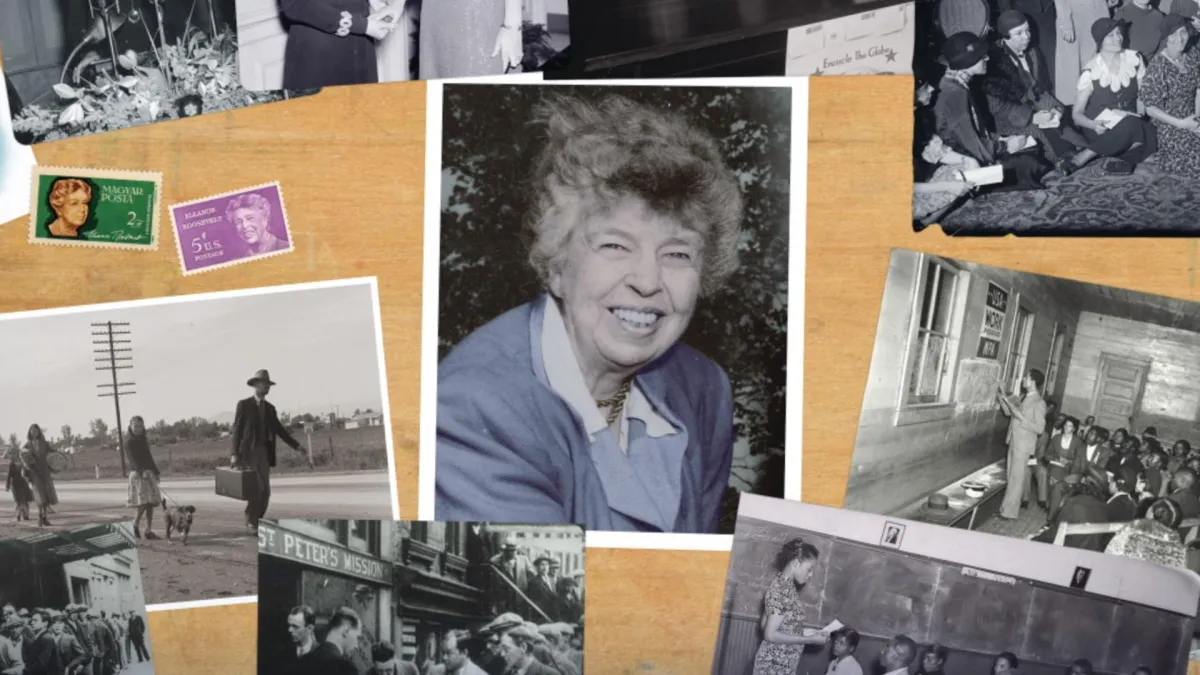 Photo: Eleanor Roosevelt, via image.pbs.org
But these weren't just wartime gardens. They represented the last gasp of an America that knew how to feed itself.
When Every Family Was a Small Farm
For most of American history, growing your own food wasn't a hobby—it was survival. Even urban families in the early 1900s typically maintained kitchen gardens with tomatoes, beans, lettuce, and herbs. Suburban yards featured fruit trees, berry bushes, and seasonal vegetable plots that provided fresh produce from spring through fall.
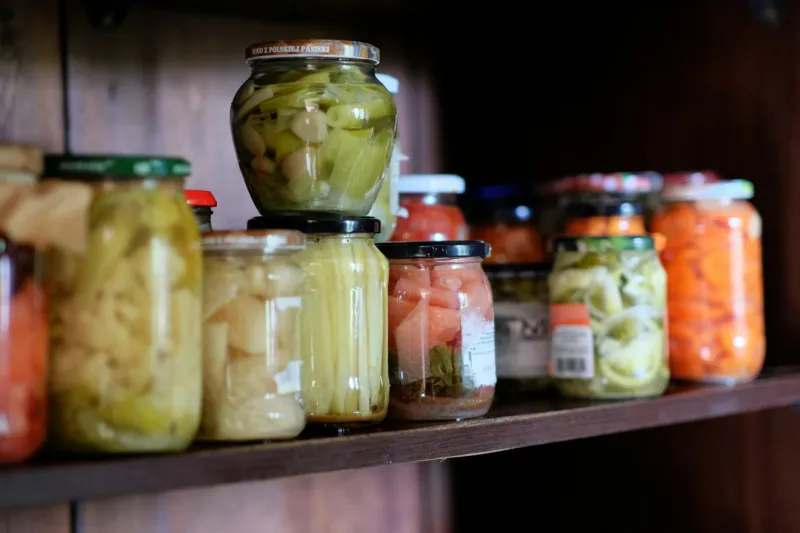
The average American family preserved hundreds of jars of food each autumn: pickled cucumbers, canned tomatoes, preserved peaches, and vegetables that would last through winter. Root cellars stored potatoes, apples, and other hardy crops. Every household had the tools and knowledge to process their harvest into shelf-stable meals.
This wasn't rustic romanticism. It was practical economics. Store-bought vegetables were expensive and often unavailable. Fresh produce had to be consumed quickly without refrigeration. Growing your own food meant eating better while spending less—a calculation that made perfect sense to families managing tight budgets.
The Infrastructure of Self-Sufficiency
America built entire industries around home food production. Seed companies like Burpee and Ferry-Morse sold millions of seed packets through mail-order catalogs that reached every rural mailbox. Hardware stores devoted significant floor space to gardening tools, canning supplies, and preservation equipment.
County extension agents taught scientific farming techniques to backyard gardeners. Home economics classes included extensive instruction on food preservation, seasonal cooking, and garden planning. The U.S. Department of Agriculture published detailed guides on everything from soil preparation to pest control specifically for home gardeners.
 Photo: U.S. Department of Agriculture, via hbcubuzz.com
Neighborhoods shared knowledge and resources. Experienced gardeners mentored newcomers. Families traded surplus crops—tomatoes for corn, apples for beans. Community canning kitchens allowed households to process large batches of produce using shared equipment.
The Victory Garden Explosion
World War II transformed home gardening from personal practice to patriotic duty. The government actively promoted Victory Gardens as essential to the war effort, arguing that homegrown vegetables would free up commercial crops for military use and reduce pressure on transportation systems.
The results were staggering. By 1944, Victory Gardens covered 20 million acres and produced 8 billion pounds of food. City dwellers converted every available space: rooftops, fire escapes, vacant lots, and public parks sprouted vegetables. Factories encouraged employee gardens on company property. Schools integrated garden education into their curricula.
These weren't small hobby plots. Many Victory Gardens measured quarter-acres or larger, producing enough vegetables to feed entire families year-round. Experienced gardeners shared techniques for maximizing yields in small spaces, extending growing seasons, and preserving the harvest.
What America Actually Grew
Victory Gardens focused on practical, high-yield crops that could supplement rationed foods. Tomatoes dominated because they were expensive to buy and easy to preserve. Bean varieties provided protein when meat was scarce. Leafy greens like lettuce and spinach offered fresh nutrition that couldn't be stored long-term.
Root vegetables—carrots, beets, turnips, and potatoes—filled root cellars and provided carbohydrates through winter months. Herbs and onions added flavor to simple meals. Many families grew enough vegetables to eliminate grocery store purchases entirely during growing season.
The preservation techniques were sophisticated. Families canned hundreds of jars annually using pressure cookers and water bath methods. They dried beans, herbs, and fruits. Some households maintained small root cellars or cold frames that extended fresh eating well into winter.
The Supermarket Revolution
The end of World War II marked the beginning of the end for widespread home food production. Returning prosperity, suburban development, and the rapid expansion of supermarket chains fundamentally changed how Americans thought about food.
Supermarkets promised convenience that home gardens couldn't match: year-round availability, consistent quality, and freedom from the labor of planting, tending, and preserving crops. Frozen and canned foods offered shelf stability without the work of home preservation. Advertising campaigns positioned store-bought food as modern and sophisticated.
Suburban development prioritized lawns over gardens. New houses featured smaller yards designed for appearance rather than production. Homeowners associations sometimes banned vegetable gardens as unsightly, encouraging ornamental landscaping instead.
The knowledge base eroded quickly. Parents who had learned food preservation from their own families often didn't pass those skills to children who seemed unlikely to need them. Home economics classes shifted focus from food production to food preparation. Extension services reduced their emphasis on home gardening.
The Modern Food Disconnect
Today, less than 3 percent of American households grow enough vegetables to significantly impact their food budget. Most Americans can't identify common vegetables in their growing state or understand basic seasonal availability. We've become entirely dependent on a food system that transports produce thousands of miles and stores it for weeks or months before consumption.
This shift has profound implications for both health and economics. Fresh vegetables are expensive partly because of the complex supply chains required to deliver them year-round. Many Americans eat fewer vegetables than previous generations despite their greater availability, possibly because store-bought produce often lacks the flavor and nutritional density of freshly harvested crops.
The knowledge gap is stunning. Skills that every American family once possessed—soil preparation, seed starting, pest management, food preservation—are now considered specialized expertise. Most people couldn't feed themselves from a garden if their lives depended on it.
What We Gave Up for Convenience
The decline of home food production represents more than just a shift in shopping habits. It marks the end of an era when American families maintained direct connection to their food sources and understood the work required to transform seeds into meals.
Victory Gardens provided not just vegetables, but education about nutrition, seasonal eating, and resource management. Children learned responsibility through garden chores and developed understanding of natural cycles. Families saved money while eating fresher, more nutritious food than anything available in stores.
Perhaps most importantly, home food production provided security. Families with gardens and preservation skills could weather economic uncertainty, supply disruptions, or other crises that might affect commercial food systems. They possessed practical knowledge that made them less vulnerable to forces beyond their control.
The supermarket revolution delivered unprecedented convenience, but it also created unprecedented dependence. We traded self-sufficiency for efficiency, and knowledge for convenience. Whether that trade was worth it might depend on how secure our current food system proves to be.