Your Corner Store Owner Didn't Need an MBA: When American Business Was Actually Simple
Your Corner Store Owner Didn't Need an MBA: When American Business Was Actually Simple
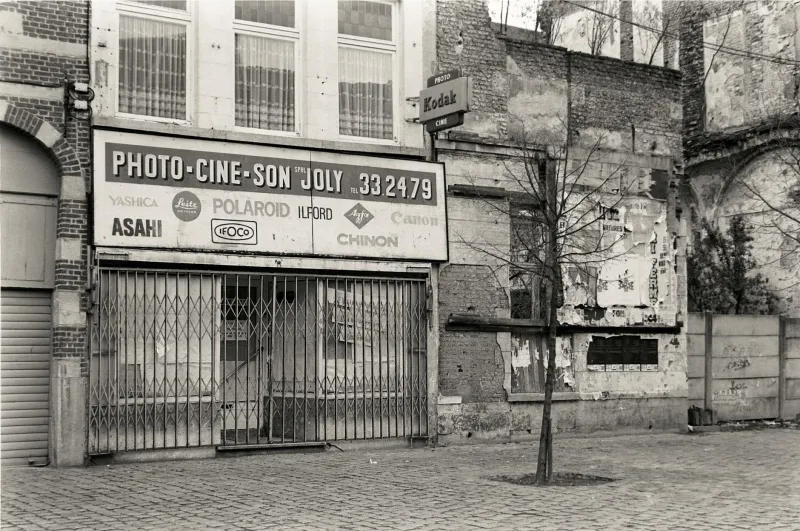
Walk down any main street in 1960s America, and you'd find dozens of small businesses that started the same way: someone with a skill, a dream, and maybe $500 in savings simply opened their doors and got to work. No business plan. No market research. No Instagram strategy. Just a hand-painted sign and the confidence that good work would bring customers.
Today, that same entrepreneurial spirit faces a gauntlet of requirements that would make those postwar business owners' heads spin. Starting even the simplest venture now requires navigating a maze of permits, insurance policies, digital marketing platforms, and regulatory compliance that can cost thousands before you've sold your first product.
When Business Cards Were Your Entire Marketing Budget
In 1965, Joe Martinez opened Martinez Auto Repair in Tucson with a wrench set, a rented garage, and business cards he printed at the local shop for $12. His marketing strategy? Word of mouth and a small ad in the Sunday paper that cost him $3 a week. Within five years, he had four employees and owned the building.
Compare that to today's automotive entrepreneurs. Modern shop owners need liability insurance averaging $3,000 annually, environmental compliance certifications, digital diagnostic equipment costing $15,000, and a website that ranks well enough on Google to compete with chain stores. Many spend more on their monthly digital marketing budget than Joe spent on his entire first year of advertising.
The barrier to entry has shifted from "Can you do the work?" to "Can you navigate the system?"
The Handshake Economy
Mid-century American business ran on relationships and reputation. When Helen Thompson started baking wedding cakes from her kitchen in 1958, she needed exactly three things: flour, word-of-mouth recommendations, and a phone number in the Yellow Pages. Her "business license" was the trust of her neighbors.
Modern food entrepreneurs face a different reality. Home-based food businesses now navigate cottage food laws that vary by state, require commercial kitchen certifications, food handler's permits, and liability insurance. Even selling homemade cookies at a farmer's market can require multiple inspections, permits, and documentation that would have baffled Helen's generation.
The irony? Helen's cakes were probably just as safe as today's regulated versions, but her customers trusted her because they knew her. Today's entrepreneurs must prove their trustworthiness to strangers through certificates and credentials.
When Classified Ads Were Your Website
The local newspaper's classified section was the internet of its day. For $5, you could reach every potential customer in town. "Johnson's Lawn Care - Reliable Service, Fair Prices, Call MA-4-7829" was all the marketing copy you needed.
That same lawn care business today competes not just with local operators, but with national franchises, app-based services, and the algorithm-driven world of online reviews. Modern lawn care entrepreneurs need professional websites, search engine optimization, social media presence, and customer relationship management systems. They're not just cutting grass; they're data analysts, digital marketers, and brand managers.
The Licensing Labyrinth
Perhaps nothing illustrates the transformation better than occupational licensing. In 1950, fewer than 5% of American workers needed government permission to do their jobs. Today, that number approaches 30%. Hair braiders in some states need more training hours than EMTs. Florists need licenses. Even fortune tellers require permits in many cities.
This explosion of requirements hasn't necessarily made services safer or better—it's just made them harder to start. The corner barber who learned his trade from his father and opened shop with a pair of scissors and a chair now needs hundreds of hours of formal training and multiple certifications before he can legally cut hair.
The Death of the Side Hustle
The simplicity of mid-century entrepreneurship made side businesses natural. Teachers sold Avon products door-to-door. Factory workers repaired appliances in their garages. Housewives turned hobbies into income streams without forming LLCs or worrying about sales tax nexus laws.
Today's gig economy offers different opportunities, but with new complexities. That teacher selling crafts on Etsy must track inventory, manage online customer service, understand e-commerce tax laws, and compete with mass-produced alternatives. The garage mechanic faces liability issues, environmental regulations, and competition from chain stores with million-dollar marketing budgets.
What We've Gained and Lost
This transformation isn't entirely negative. Modern regulations protect consumers and workers in ways that 1960s businesses often didn't. Today's food safety standards prevent illness. Environmental regulations protect communities. Professional licensing can ensure competency.
But we've also lost something essential: the accessibility of entrepreneurship. When starting a business required more courage than capital, more neighbors became business owners. Communities had more local ownership, more diverse services, and more economic resilience.
The New American Dream
The American dream of business ownership hasn't died—it's just gotten more expensive and complicated. Modern entrepreneurs are often more sophisticated, better trained, and more technologically savvy than their predecessors. But they're also more likely to need investors, advisors, and advanced degrees to navigate systems that didn't exist when a handshake and a good reputation were sufficient credentials.
Today's business owners face challenges their grandparents never imagined, but they also have access to markets and tools that would have seemed magical in 1965. The question isn't whether change is good or bad—it's whether we remember that behind every regulation and requirement, there's still someone with a skill, a dream, and the hope that good work will bring customers.
Some things, thankfully, never change.